If you’ve ever pulled up the floorboards of a pre-1960s Perth home, you’ve probably seen the deep red glow of jarrah stumps holding everything steady. They’ve been the backbone of countless WA houses, especially in regional suburbs where durability mattered most. But here’s the reality: from 2024 onwards, you can’t simply request new jarrah stumps like your grandparents had. Regulations, conservation goals, and timber supply changes have reshaped the way we keep homes standing tall.
This blog breaks down the “why”, explains what the new Australian standards mean, and points you towards safe and compliant options when replacing old Jarrah stumps.
The Legacy of Jarrah in WA Homes
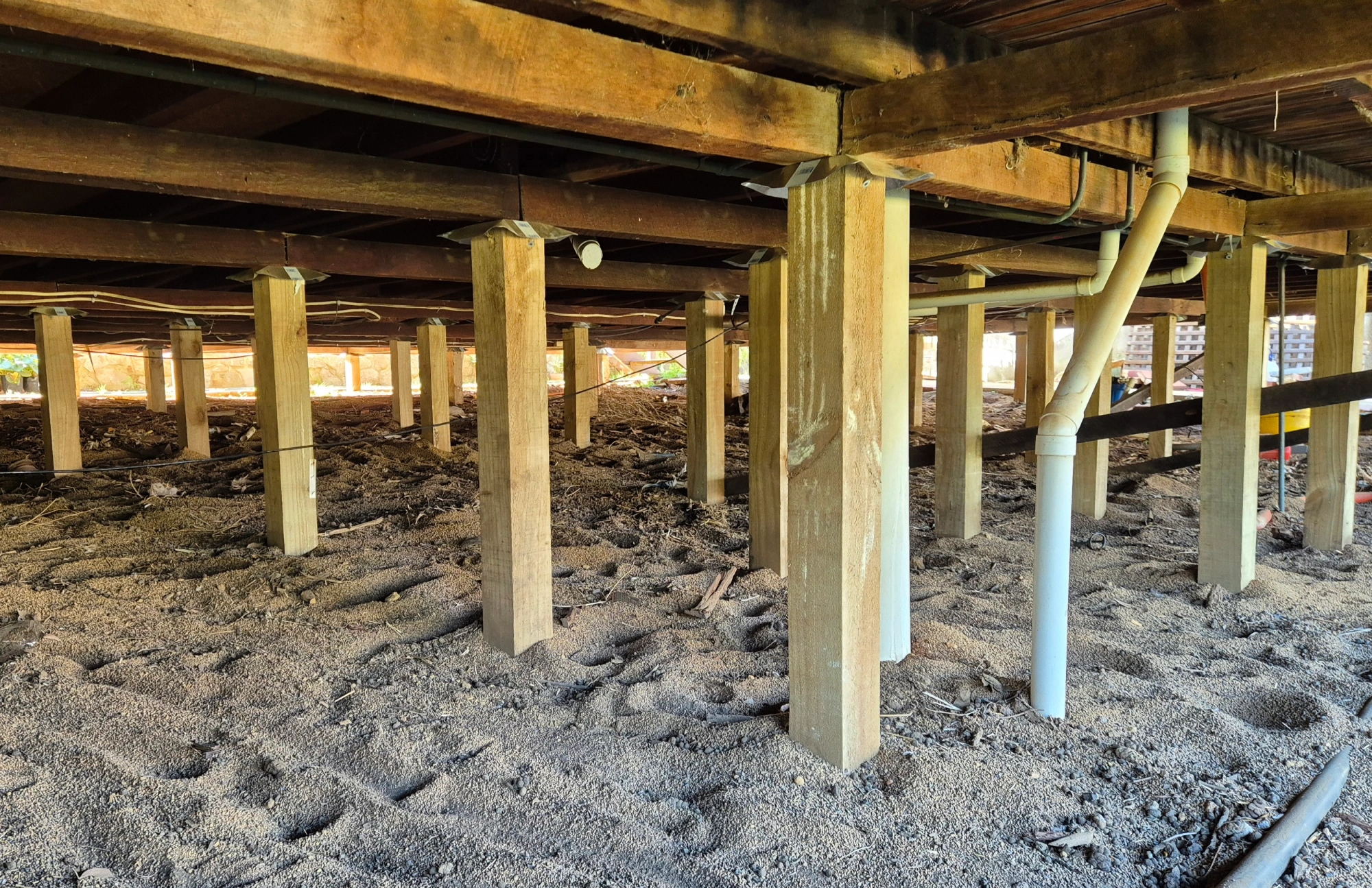
For decades, jarrah was the go-to hardwood for house stumps across Western Australia. Its density, termite resistance, and natural beauty made it ideal for supporting homes. Many pre-1960s houses in Perth and regional towns are still standing on their original jarrah stumps. For renovators and young families buying into these character homes, it’s tempting to think, “Why not just replace the old with the same?”
The reality is different now. Today’s building codes and environmental policies have shifted, meaning new installations of jarrah stumps are no longer an option for your house foundations.
The 2024 Ban on Native Forest Logging
The Western Australian Government formally banned native forest logging, including jarrah, karri, and wandoo, from 1 January 2024. This ban added around 400,000 hectares of protected forest to conservation, bringing the total locked up to about two million hectares.
The rules are clear: commercial harvesting of jarrah is off the table. Timber can only come from forest management thinning or clearing tied to approved mining projects. That means the once-steady supply chain for structural uses such as Jarrah timber stump replacement is gone.
For homeowners, it’s not just a government decision; it’s a change that directly impacts the way your property’s foundations can be maintained or renovated.
Why Can’t You Get Jarrah Stumps Anymore?
There are two main reasons:
- Environmental Protection: Jarrah forests are slow-growing and ecologically significant. Protecting them supports biodiversity and climate resilience.
- Building Standards: With jarrah supply restricted, Australian standards encourage alternative materials that offer consistent strength, termite protection, and compliance with today’s safety requirements.
What Happens When Old Jarrah Stumps Fail?
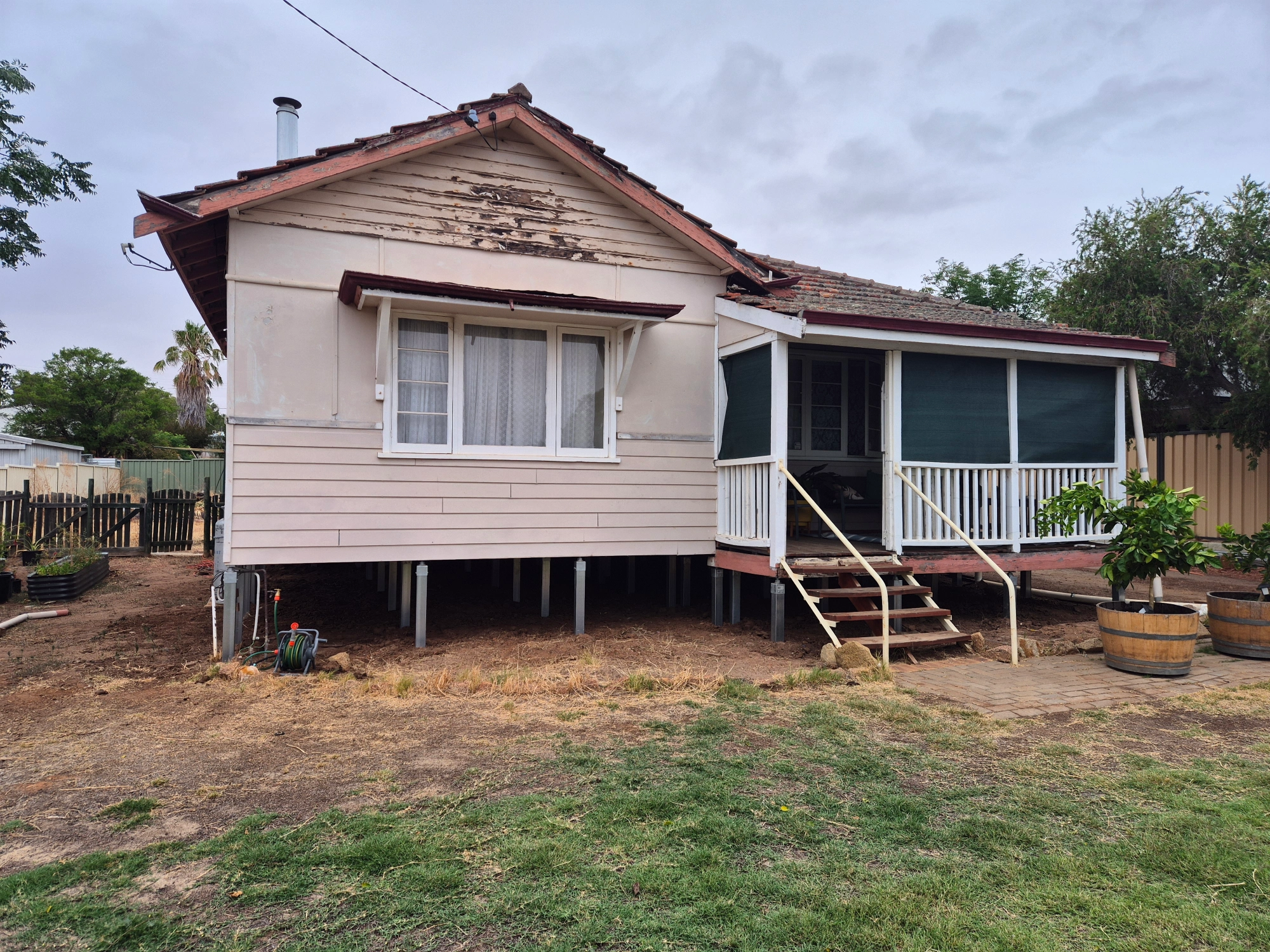
Pre-1960s homes often face stump deterioration. Termite damage, rot, or soil movement can compromise structural integrity. Uneven floors, cracked walls, and stiff doors are tell-tale signs it’s time for replacing old Jarrah stumps.
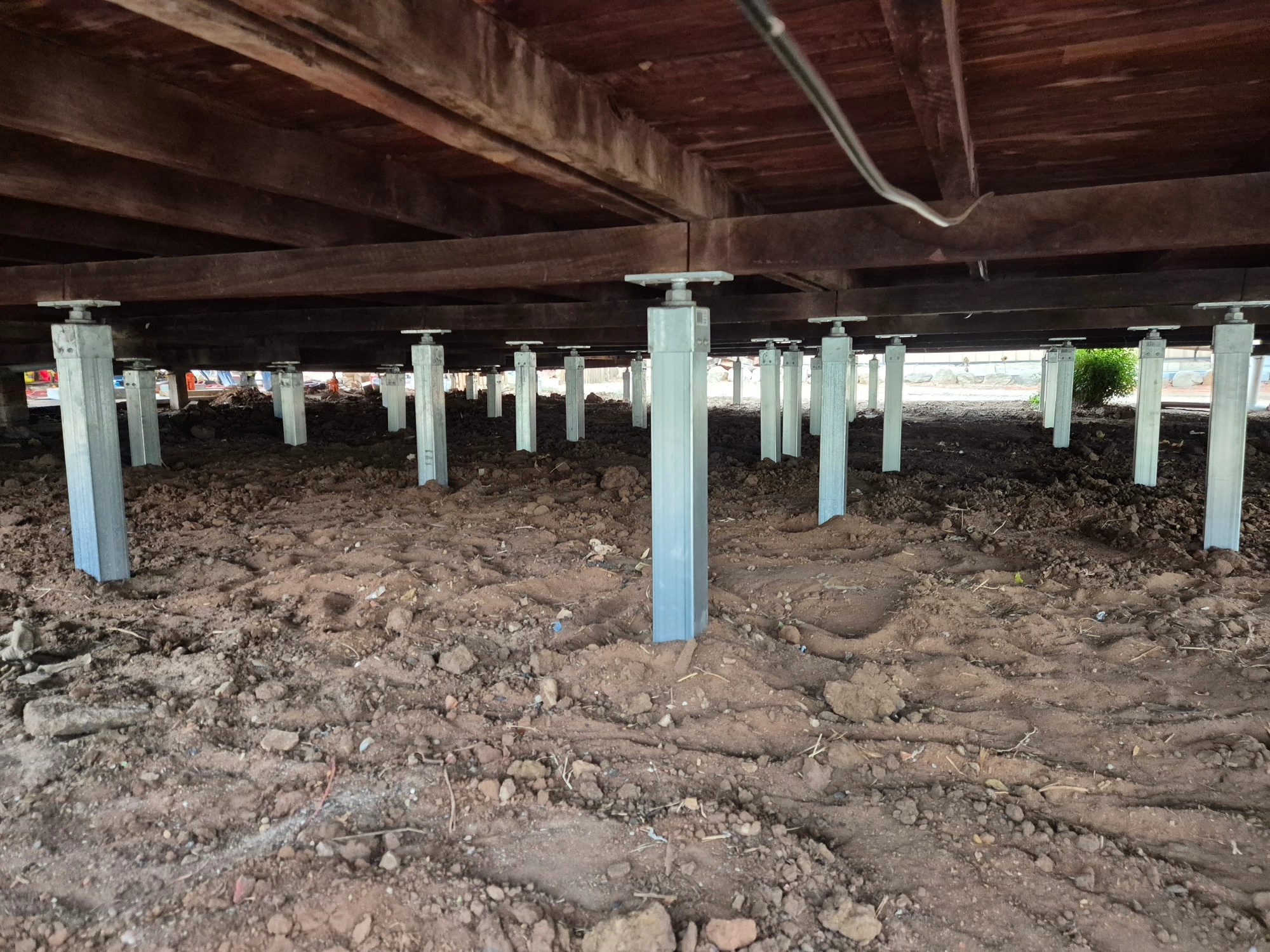
In the past, the fix was straightforward: swap them out with more jarrah. But today, you’ll be guided towards engineered concrete stumps, steel posts, or treated pine alternatives that meet Australian standards and ensure long-term safety.
The Transition Plan and Alternatives
The WA Government has committed $80 million to transition the forestry industry, including expanding softwood plantations with over 33,000 new hectares of pine. For you as a homeowner, this translates into new supply chains for foundation materials.
Options now include:
- Concrete stumps – Highly durable, resistant to rot and termites.
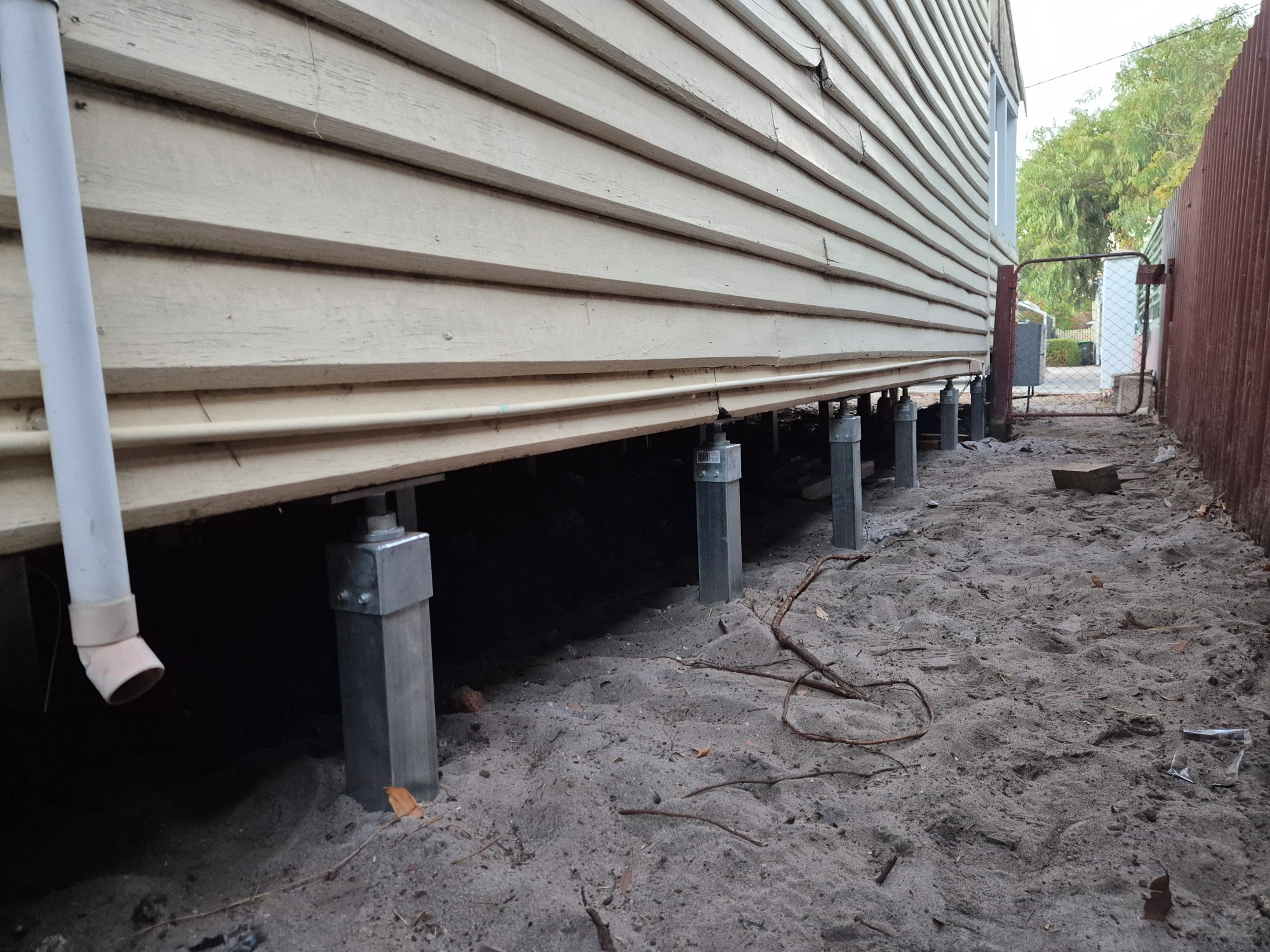
- Steel posts – Adjustable and suited for sloping blocks.
- Treated pine – Affordable and compliant when correctly installed.
What About Jarrah Timber Stumps Replacement?
You may hear builders talk about salvaged or recycled jarrah. In some cases, limited timber may be available from demolition projects or approved clearings. However, for most homeowners, Jarrah timber stump replacement means substituting with modern, code-approved options rather than installing freshly milled Jarrah.
This ensures compliance with current laws while giving your home a stable, reliable foundation for decades to come.
Investors and DIYers – What You Need to Know
If you’re an investor planning renovations, a young family buying a fixer-upper, or a hands-on DIYer, the takeaway is simple: you can’t order new jarrah stumps anymore. Trying to reuse salvaged jarrah might sound appealing, but Australian standards are strict about meeting load, treatment, and durability requirements.
Professional underpinning or restumping services will guide you through approved alternatives. It’s not just about following rules; it’s about ensuring your investment and your family’s safety.
Replacing Old Jarrah Stumps the Right Way
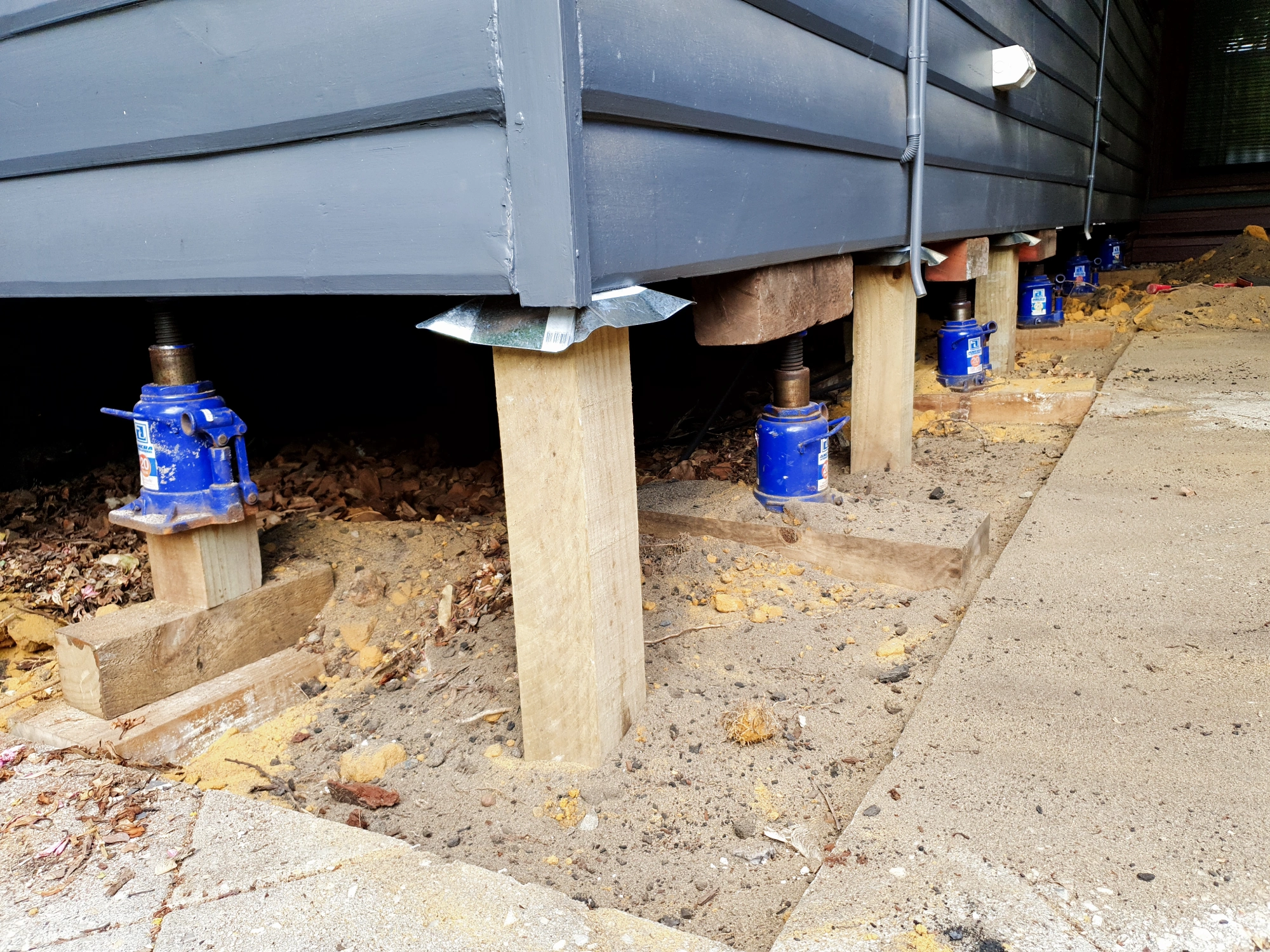
When it comes time for replacing old Jarrah stumps, engaging a professional team is crucial. They’ll assess soil conditions, house weight, and compliance requirements to recommend the best solution. Modern stumps may not look as nostalgic as jarrah, but they offer reliability, long warranties, and peace of mind.
For homeowners in WA, this is the new standard: secure, safe, and environmentally responsible foundations.
If your home still stands on jarrah stumps, it’s important to plan ahead. The ban means fresh jarrah isn’t available, but safe and compliant alternatives exist. Whether you’re considering Jarrah timber stump replacement or looking at replacing old Jarrah stumps entirely, the right solution will keep your home stable for generations.
Premier House Restumping can guide you through every step, ensuring your house meets modern standards while respecting the character of your property.
Frequently Asked Questions
The WA Government banned native jarrah logging in 2024, so jarrah stumps can’t be sourced for new house foundations.
Yes, but it’s limited. Most builders recommend modern alternatives over Jarrah timber stump replacement due to compliance rules.
Old jarrah stumps under homes are grandfathered in, but new installations must use approved alternatives.