If you’ve stepped into a home and noticed sloping floors or doors that don’t quite shut, you’ve probably wondered what’s going on beneath your feet. Do you need house releveling, or is it time for house restumping?
The truth is, while the two terms often get thrown around together, they aren’t the same thing. Understanding the difference between releveling and restumping could save you time, money, and a whole lot of stress when planning renovations or repairs.
What Is House Relevelling?
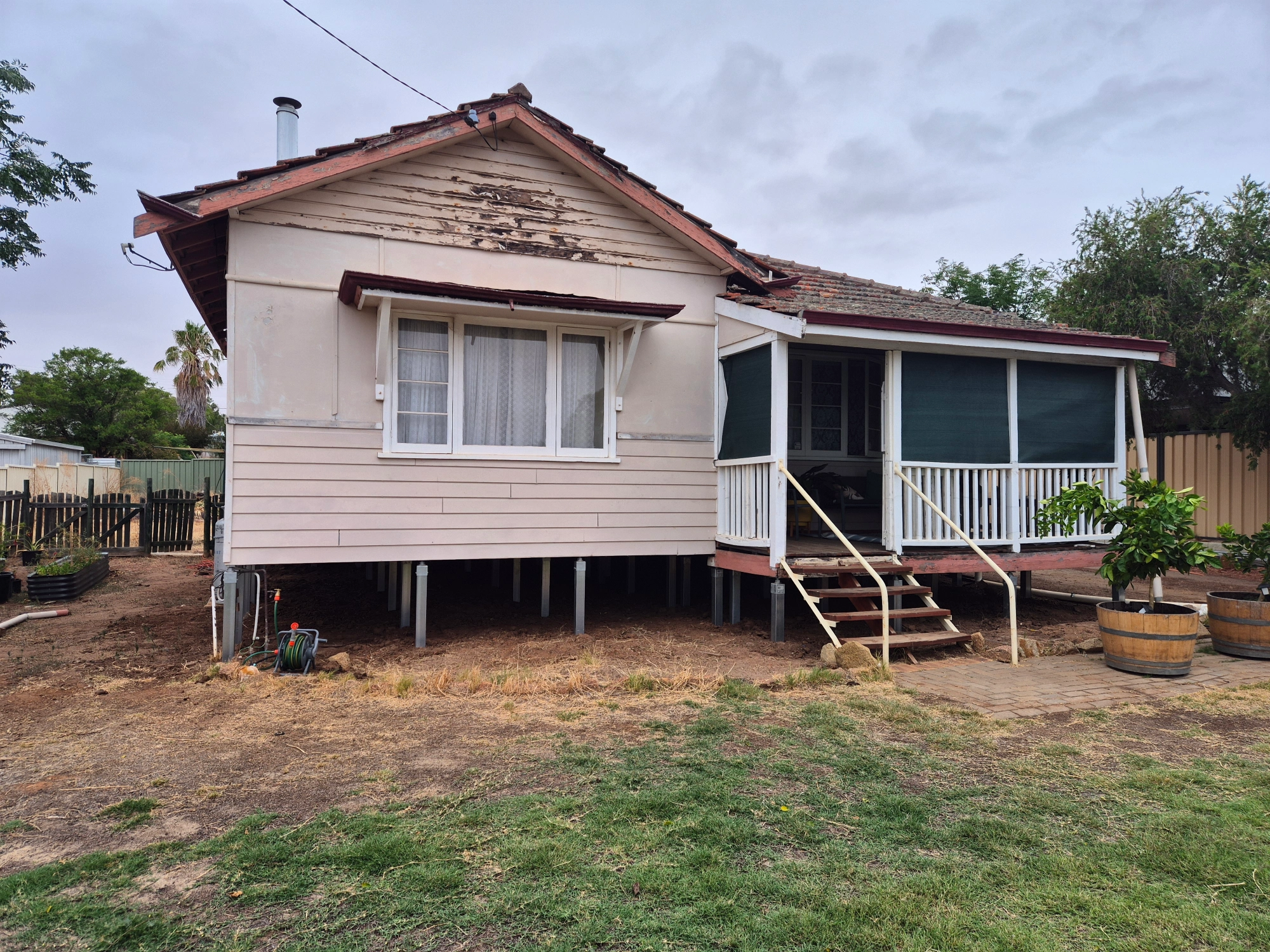
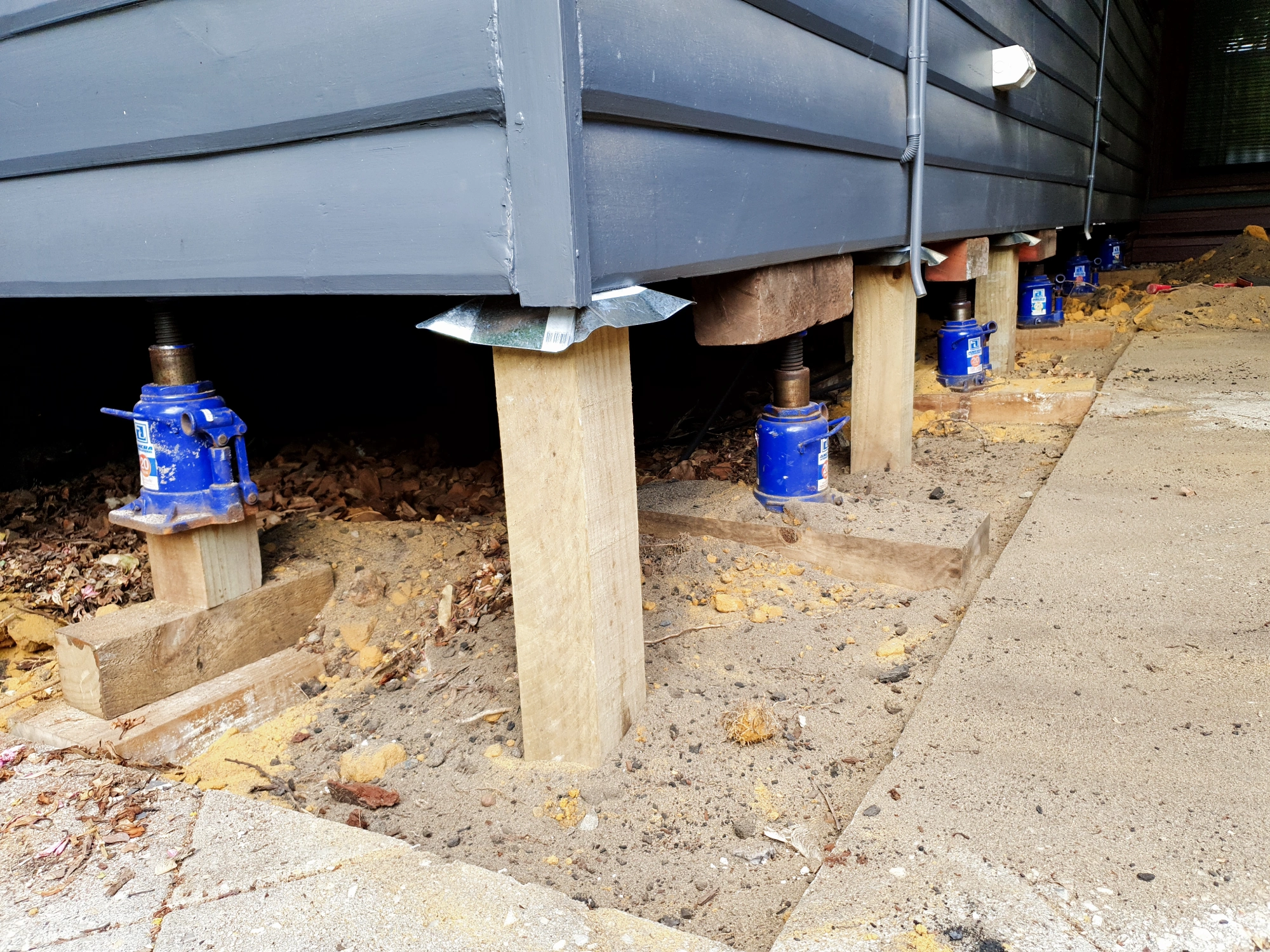
So, what is house releveling exactly? Think of it as a way to straighten your floors without swapping out the supports entirely. Using hydraulic jacks, professionals lift your home’s bearers and beams, nudging the structure back into place. The house releveling process targets uneven floors caused by soil movement, sinking stumps, or shifting foundations.
This is often done before or alongside restumping, especially if your main goal is to have flat, even floors. For many Perth renovators and young families, releveling house stumps is the first step towards making an older home liveable again.
What Is House Restumping?
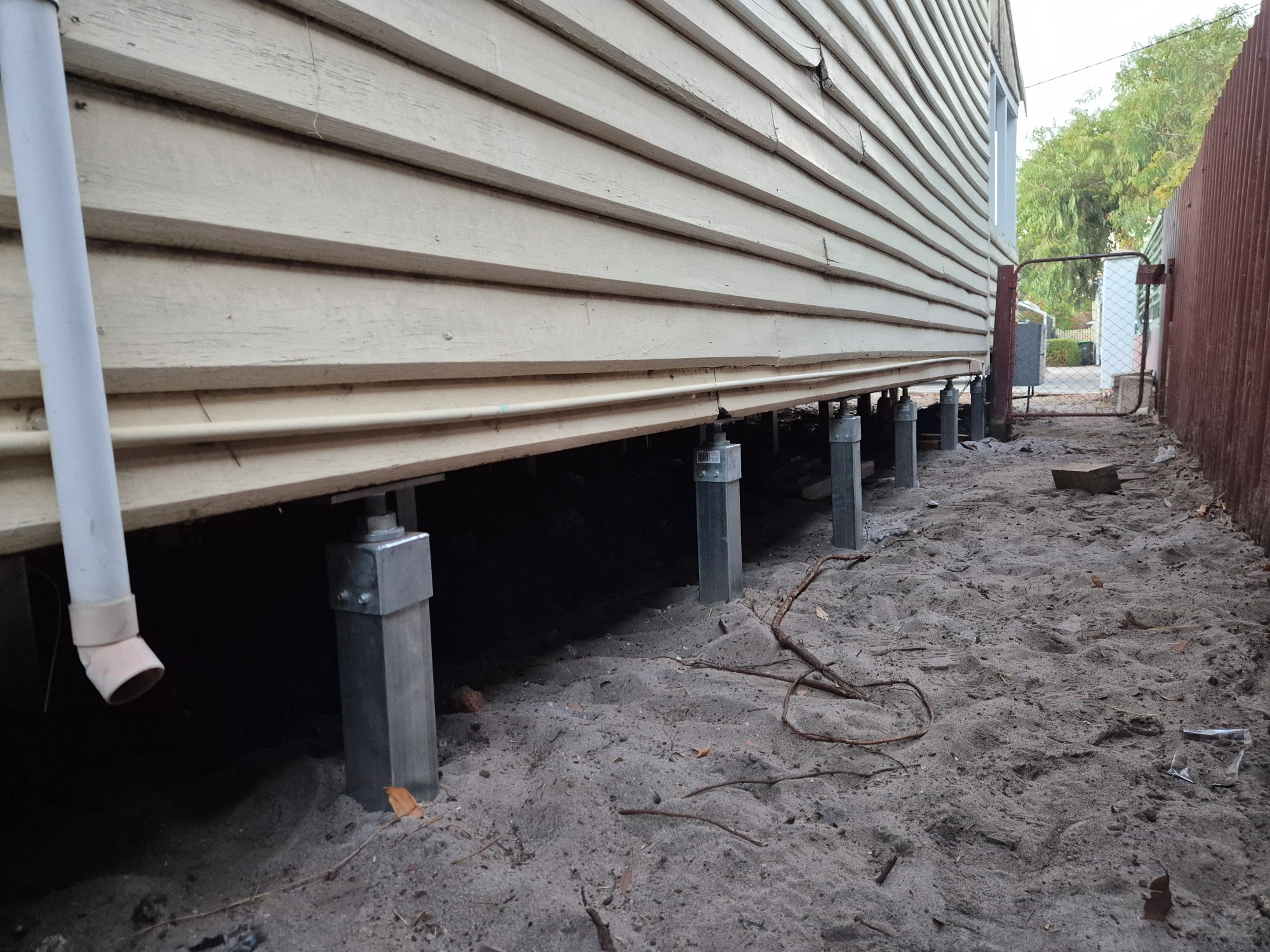
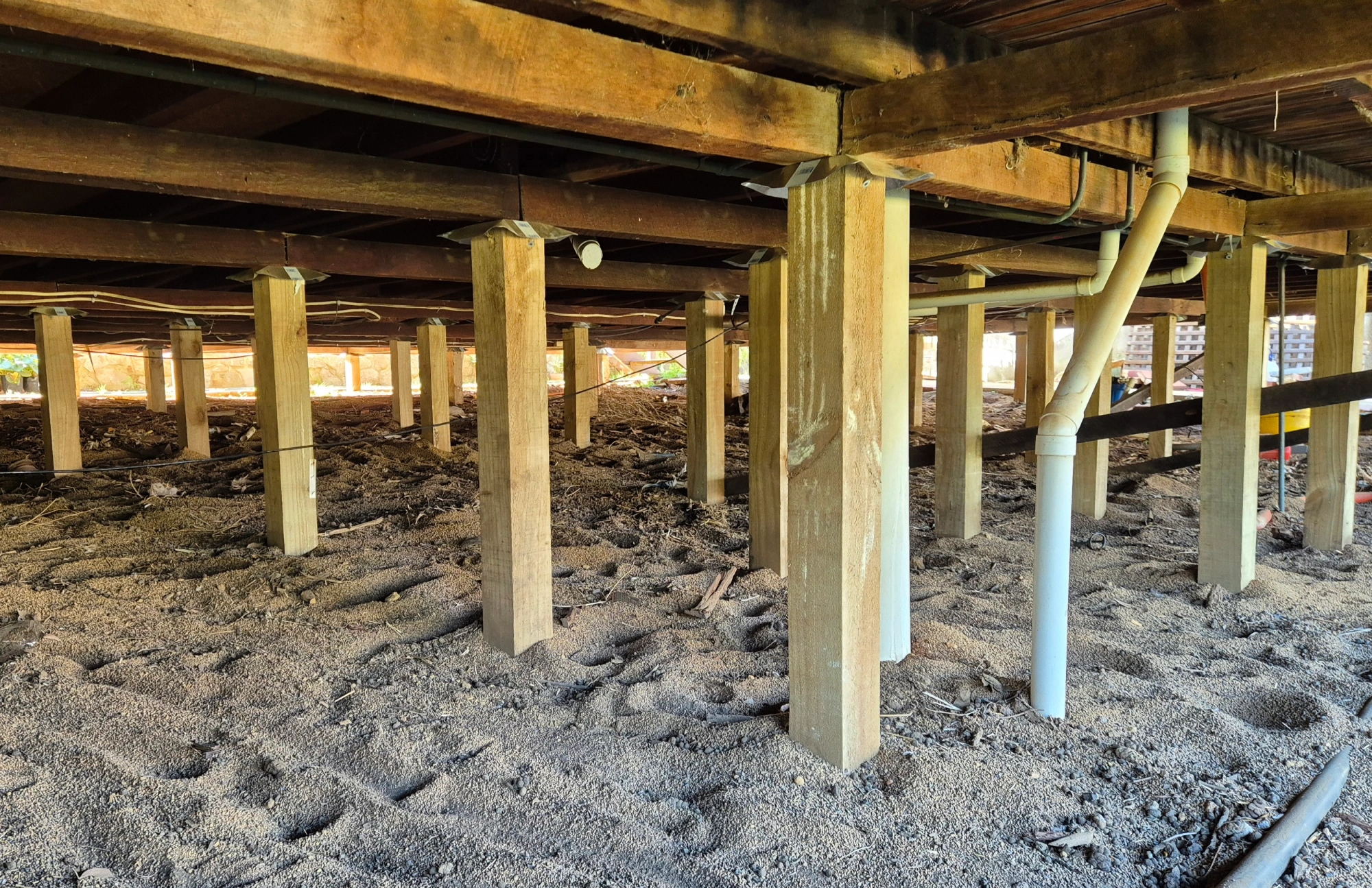
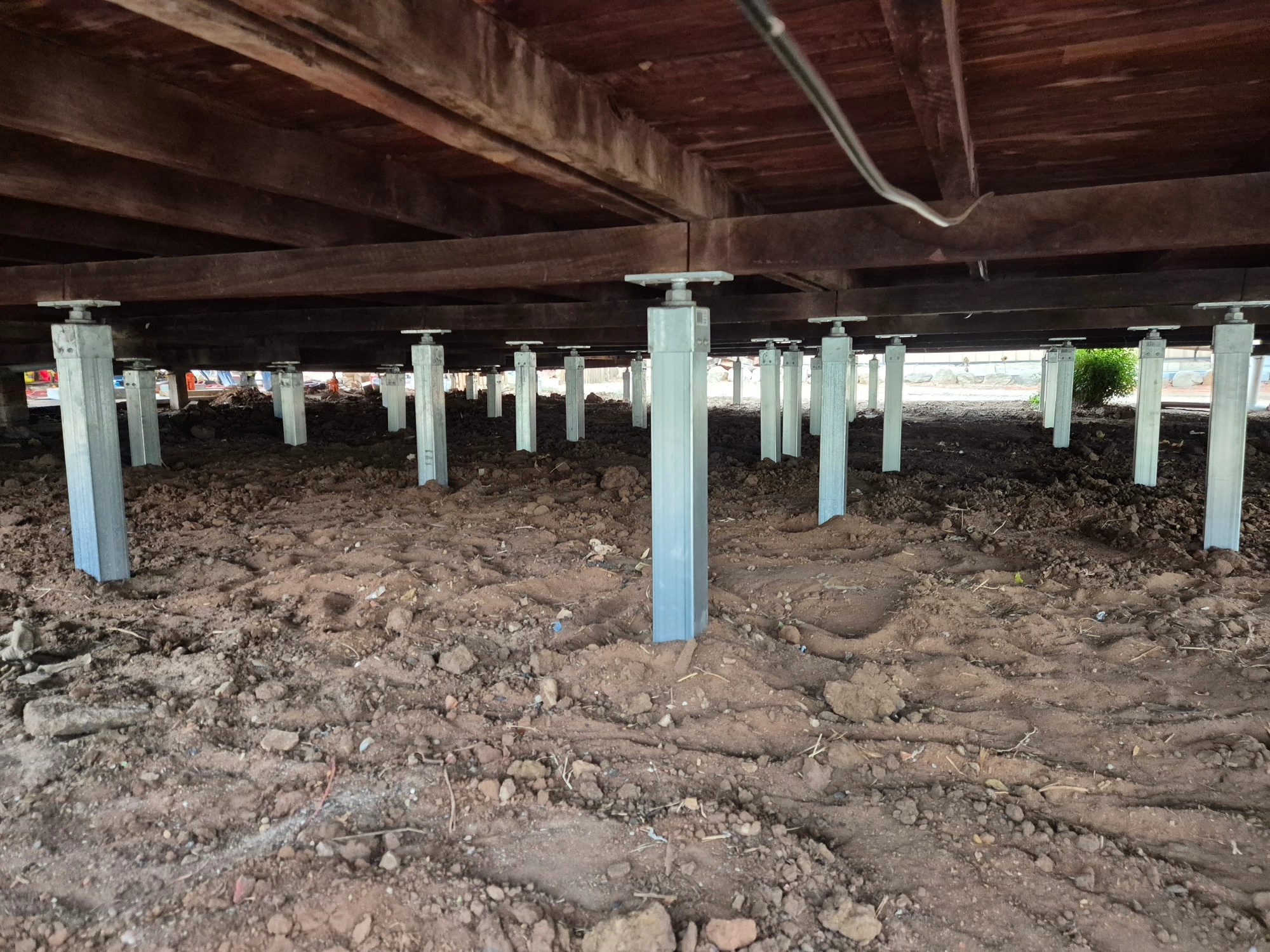
Now, what is house restumping? This process goes deeper. Instead of simply adjusting the position of your home, restumping involves removing failing stumps and replacing them with new materials, such as concrete, steel, or treated timber. The house restumping process strengthens your foundation, preventing further sinking and long-term structural issues.
In many older Perth homes, the original wooden stumps have rotted, cracked, or been eaten away by termites. In these cases, restumping is essential—not optional.
The Key Difference Between Relevelling and Restumping
Here’s where it clicks. The difference between releveling and restumping comes down to scope:
- House releveling focuses on repositioning. It adjusts your existing stumps and bearers to make your floors level again.
- House restumping focuses on replacement. It removes damaged or unstable stumps and installs new, compliant supports.
Internal Warning Signs in the House
Not all timber house stump problems are obvious from the outside. Your home itself may be sending signals:
- Uneven or sagging floors: If walking feels like a downhill slope, or the “marble test” rolls one way, it’s usually stump failure.
- Cracks in walls or ceilings: Particularly near windows, doors, or archways. These appear as the house settles unevenly.
- Sticking doors and windows: Movement in the foundations often warps frames, making them jam.
Signs You Need Relevelling vs Signs You Need Restumping
Not sure which service your Perth home needs? Here’s how to spot the difference:
- Signs you need relevelling: Floors slope but stumps are still solid, doors stick during seasonal changes, and minor cracks appear in plaster.
- Signs you need restumping: Stumps are visibly rotting, termite-damaged, or crumbling; your house on stumps feels unstable; or multiple rooms are uneven despite adjustments.
How the Two Work Together
Here’s the catch: in many cases, house releveling vs restumping isn’t an “either/or” choice. Restumping often includes releveling as part of the job. Once new stumps are in, hydraulic jacks are used to return the home to its proper height and balance.
This is why asking for releveling before restumping is so important if your goal is perfectly flat floors. Otherwise, you may fix the foundation without solving the surface-level issues.
Why Australian Standards Matter
Both house releveling and house restumping are carried out under the guidance of the Building Code of Australia. The standards ensure that any replacement stumps—whether concrete, steel, or treated timber—meet strict load-bearing and safety requirements.
When you’re dealing with the difference between releveling and restumping, choosing a professional who understands these standards ensures your home won’t just look better—it’ll be structurally secure for decades.
Why This Matters for Western Australia Homes
WA’s mix of sandy soils, seasonal rains, and termite activity makes older homes particularly vulnerable. If your property is sitting on timber stumps installed 60 or more years ago, chances are you’ll need either releveling house stumps or full house restumping sooner rather than later.
Investors looking to renovate rentals, young families buying character homes, and landlords protecting assets all benefit from knowing which service is needed—and why.
If you’re still unsure about the difference between releveling and restumping, start with an expert inspection. Uneven floors, soft stumps, or visible cracks are clear signs you need releveling or full signs, you need restumping. Either way, your Perth property deserves a safe, solid foundation.
Premier House Restumping can guide you through the house releveling process or the complete house restumping process, giving you clarity and confidence about the right choice for your home.
Frequently Asked Questions
Timber house stump replacement cost varies depending on stump numbers, access, and replacement material.