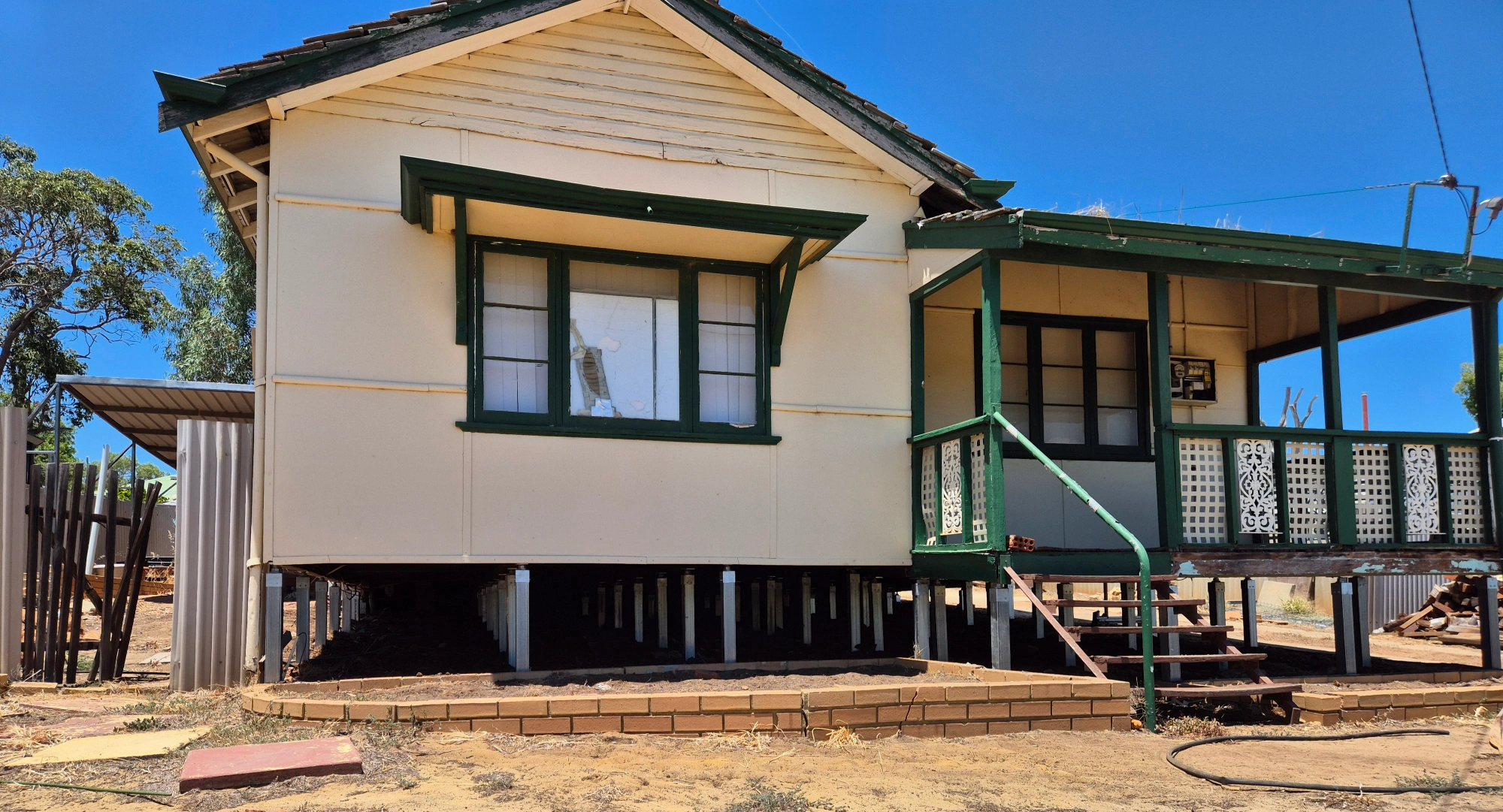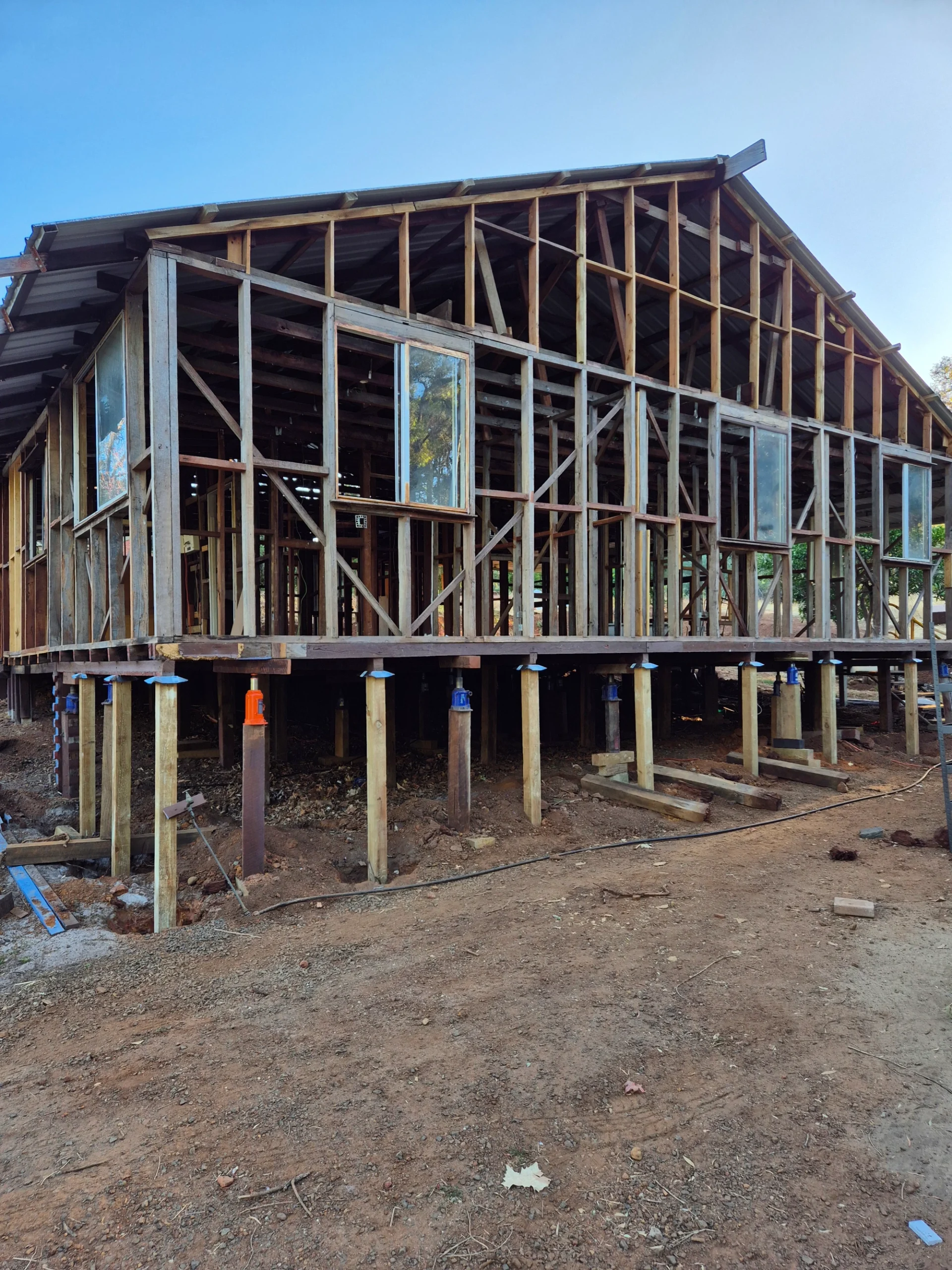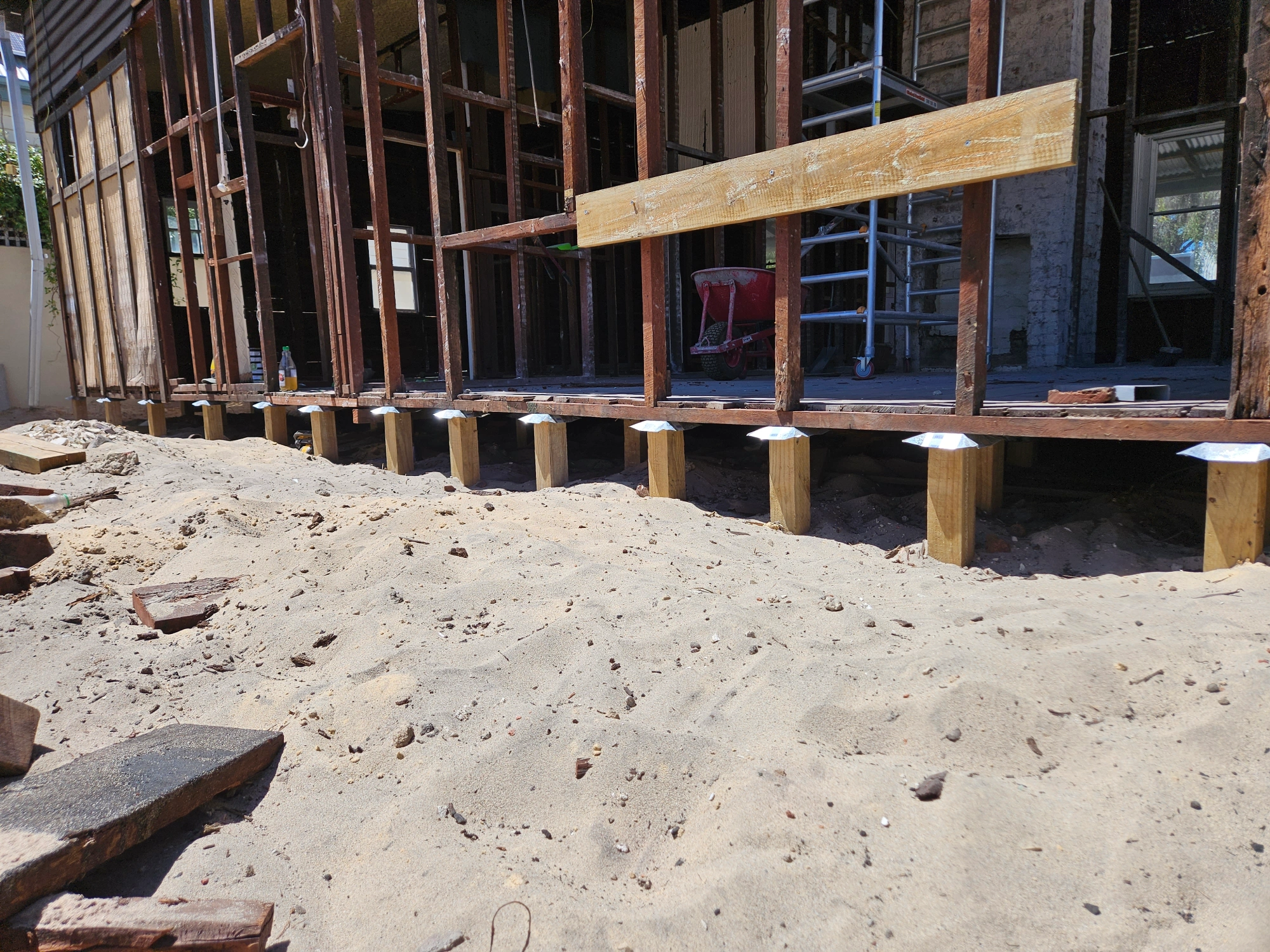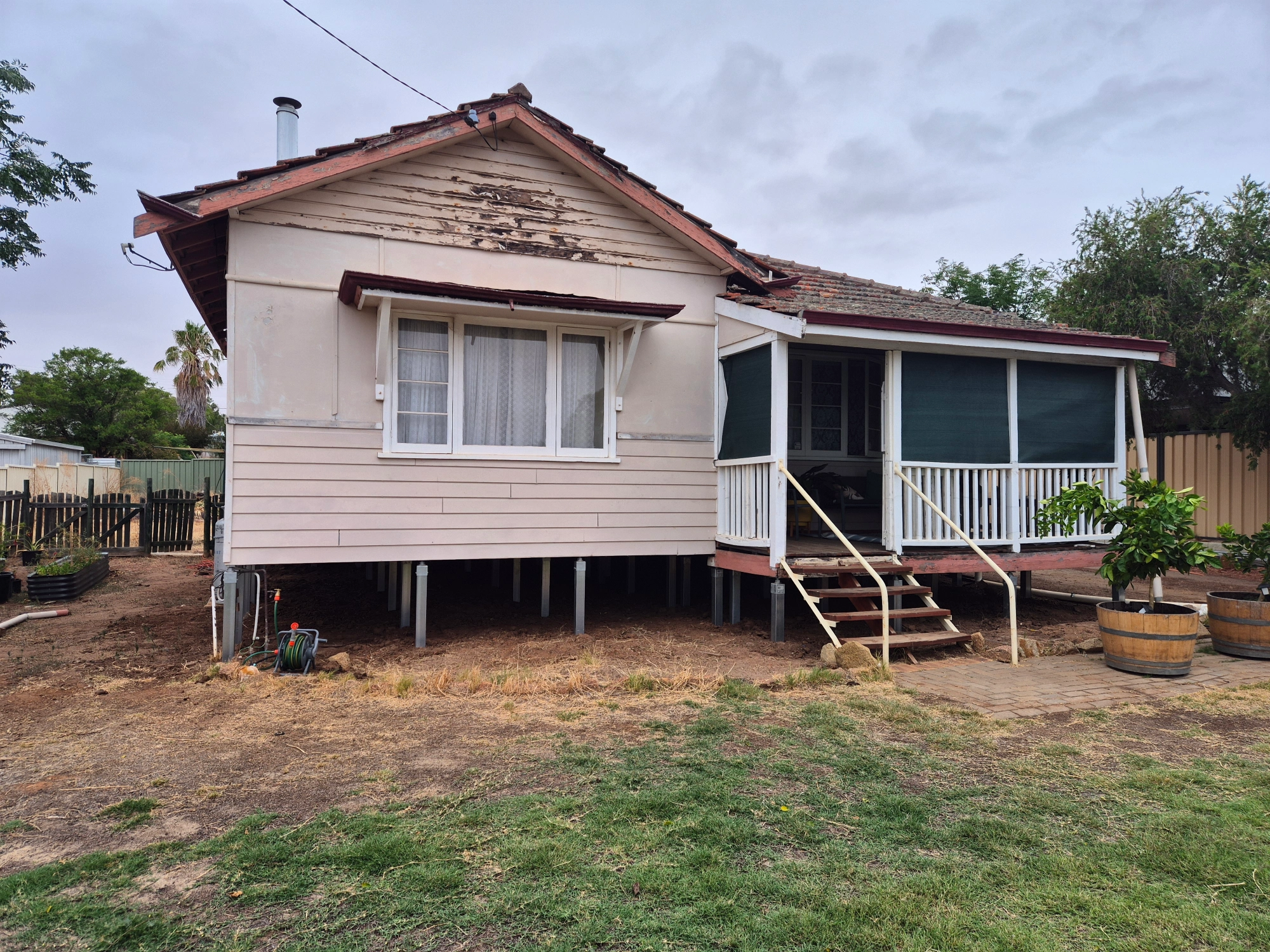
Expert house restumping, relevelling, and subfloor repairs for Perth and regional WA. We restore level floors, secure walls, and safe foundations using durable steel or timber stumps.
Years of Experience
We understand the specific needs of WA heritage and mid-century houses, from timber stump failure to shifting soils.
Clear advice, free inspections, and tailored options that ensure long-term stability.
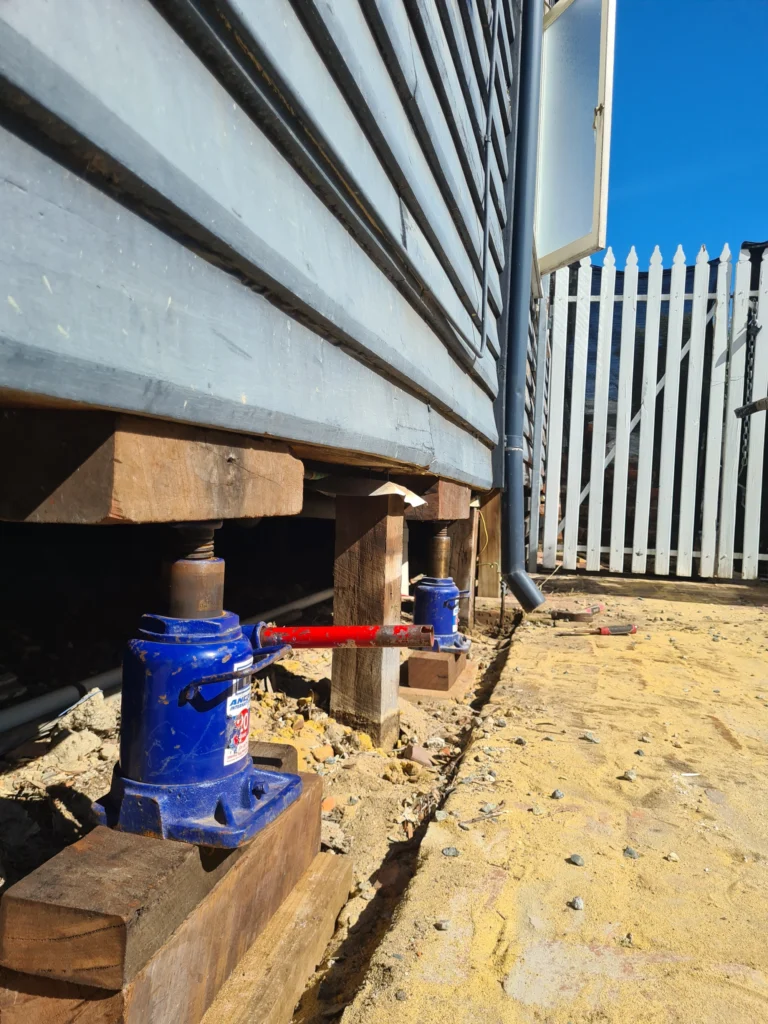
WA Homes Safely Restumped
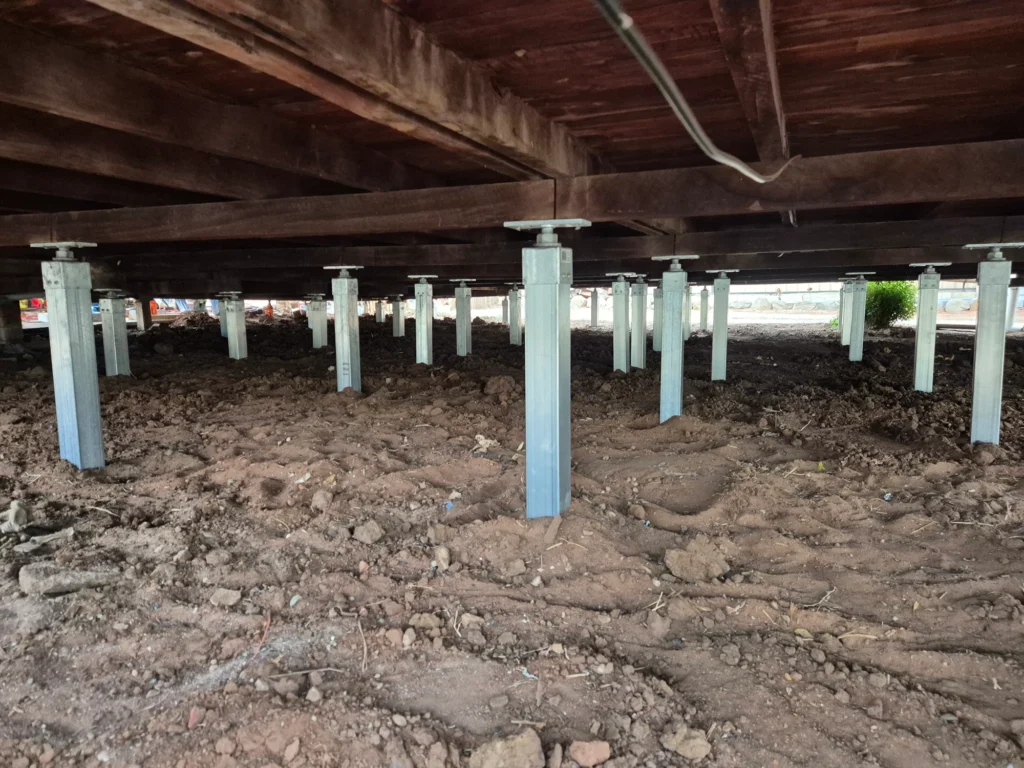
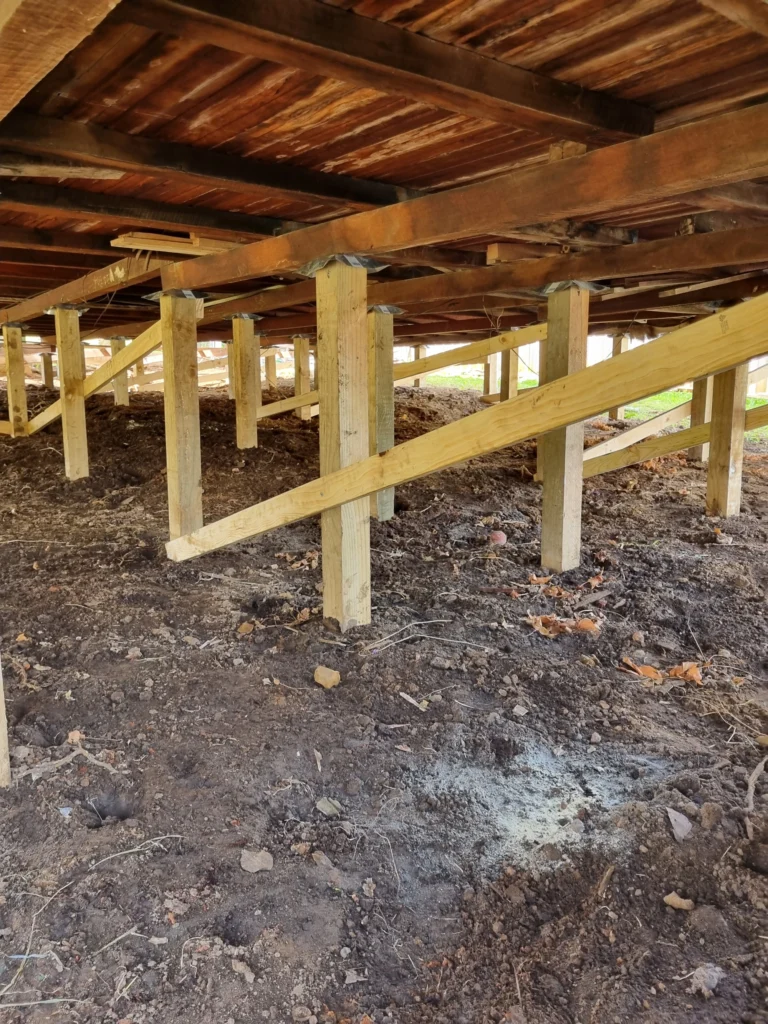
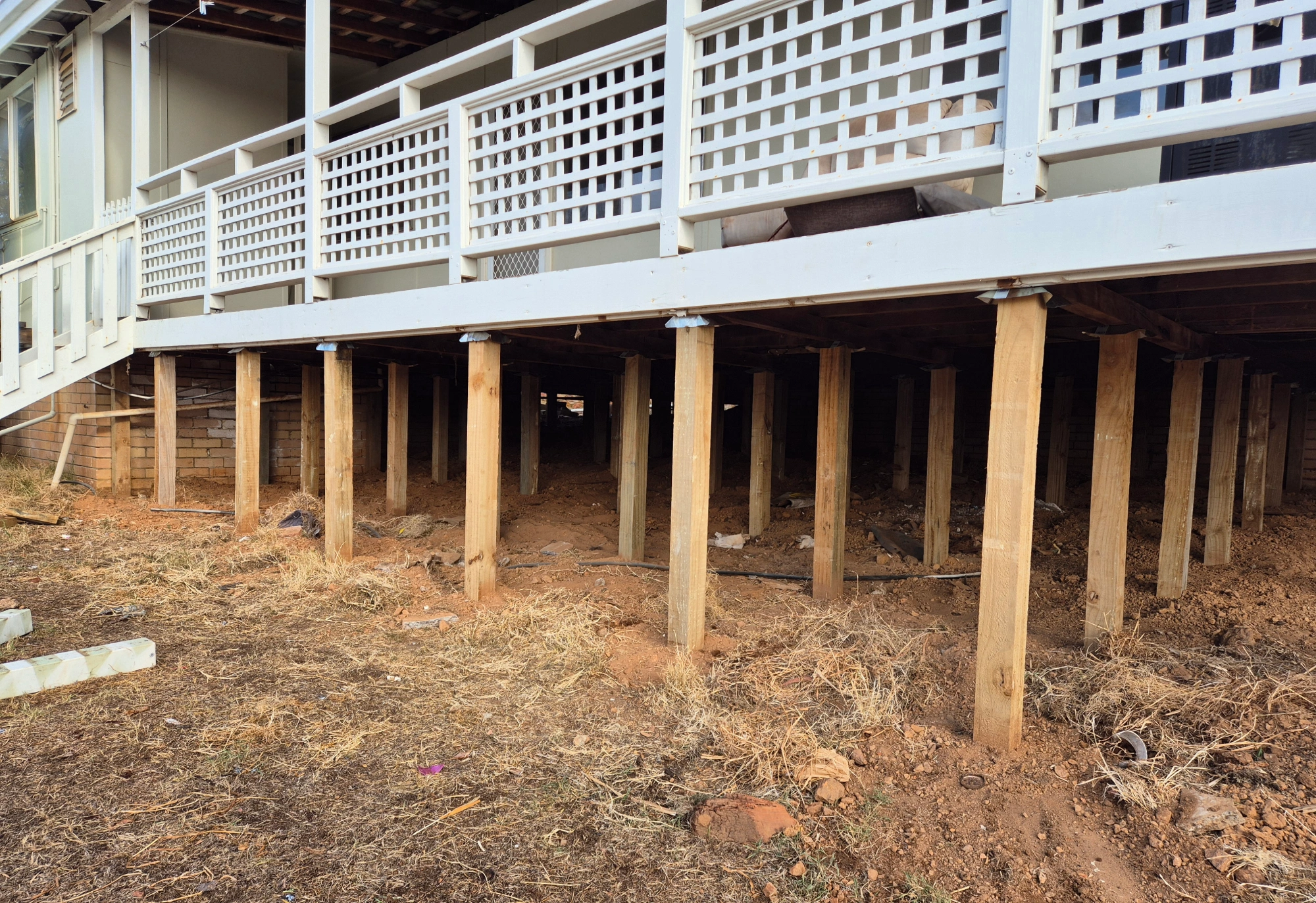
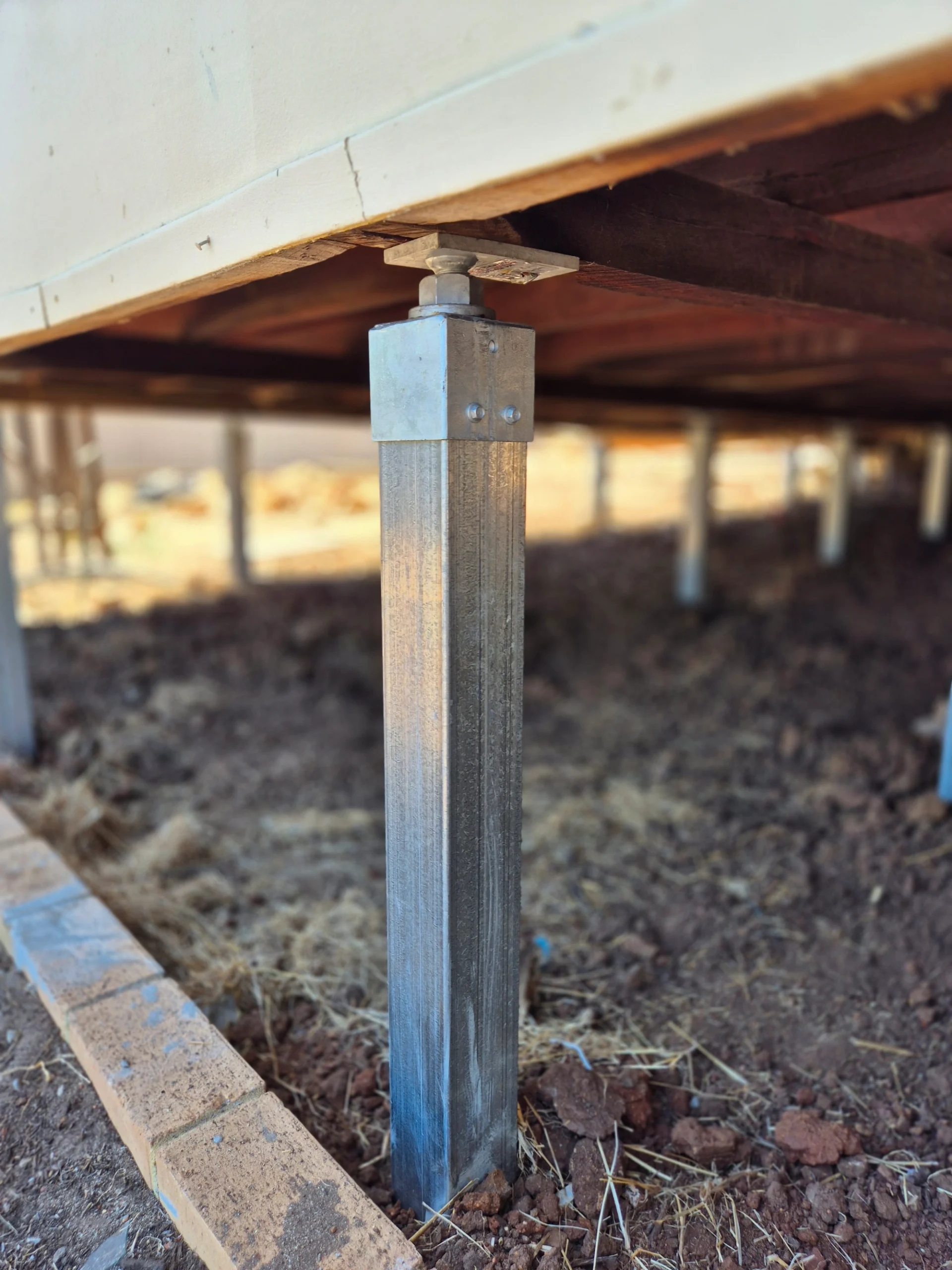
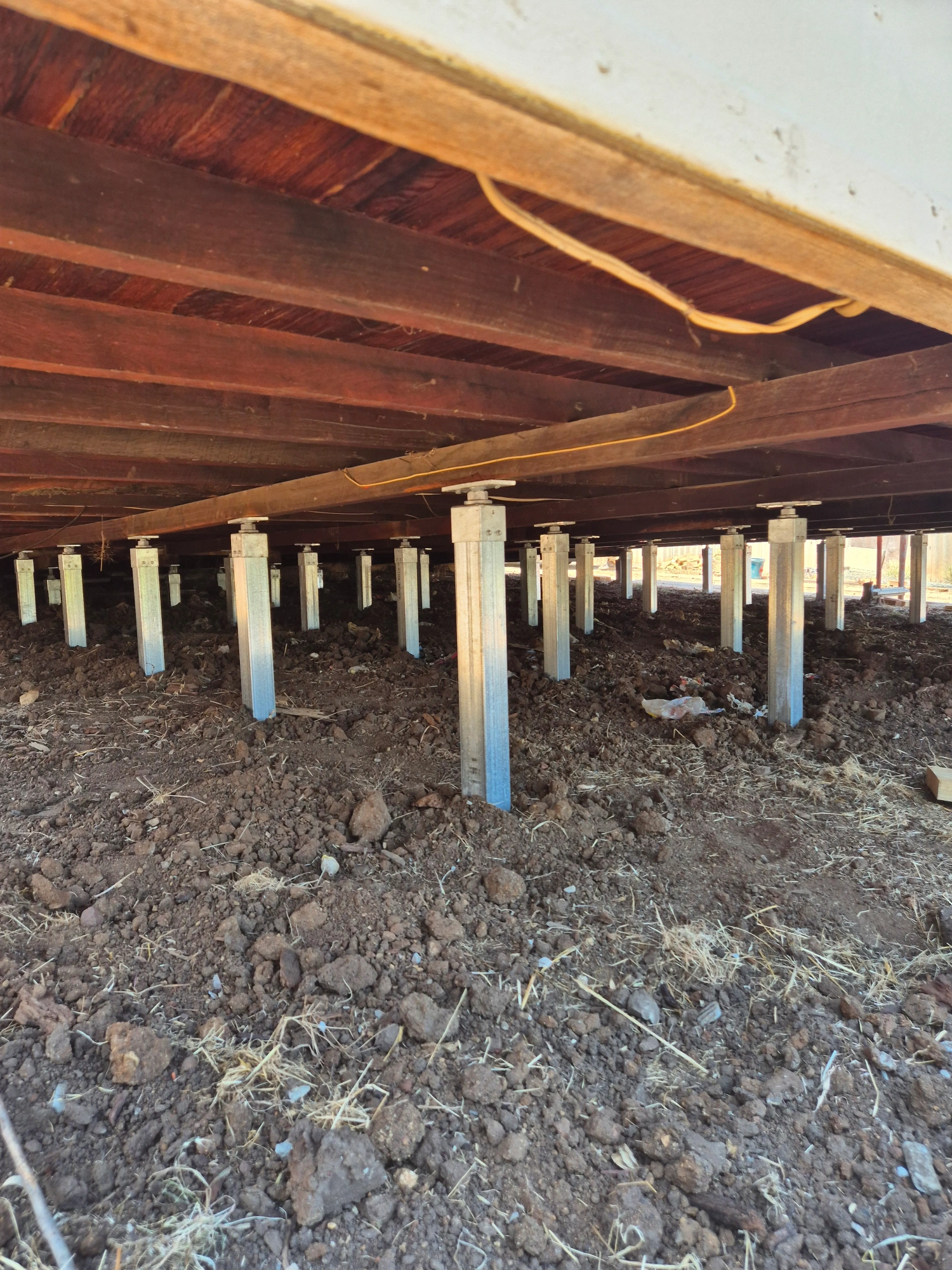
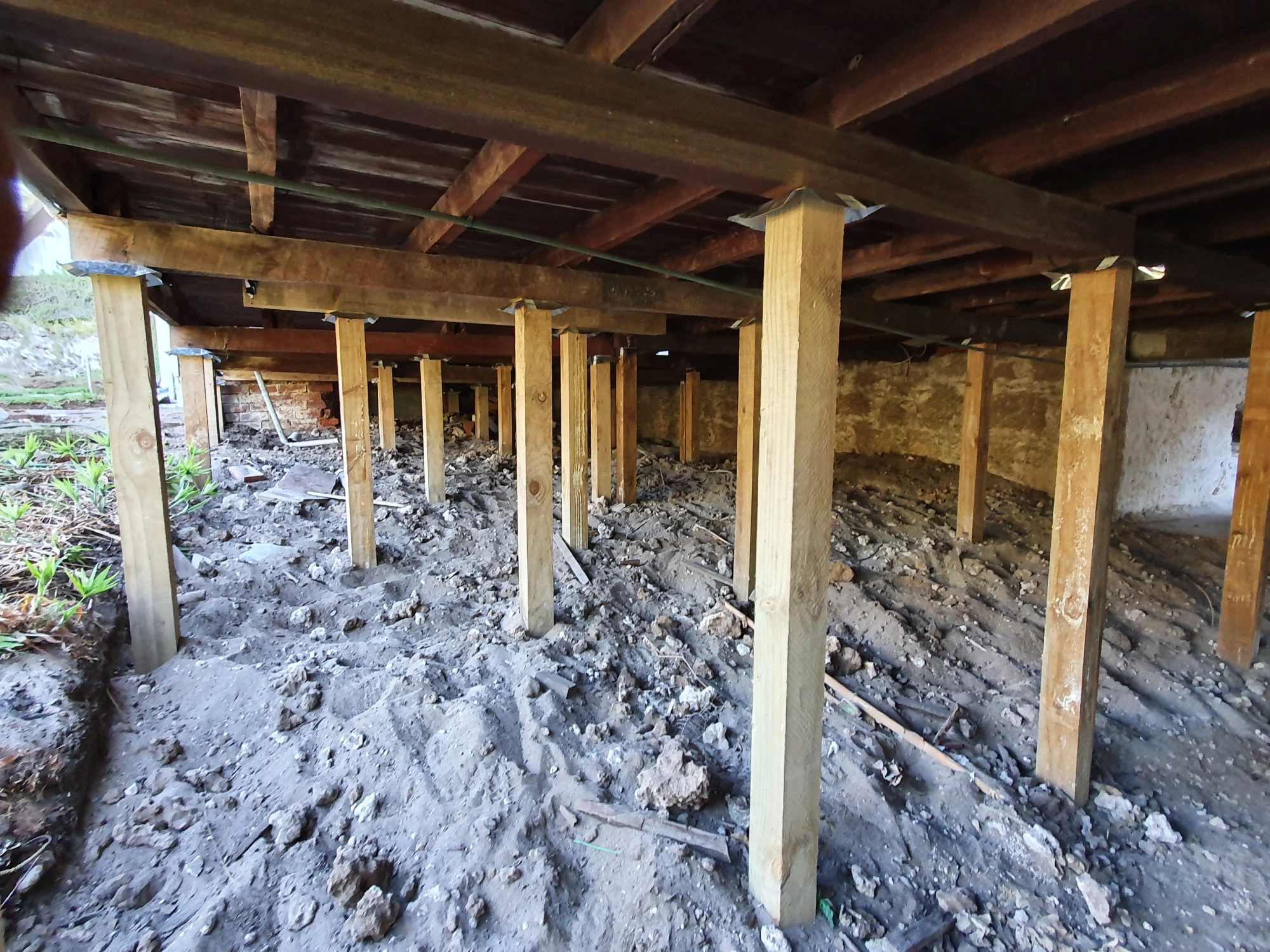
We replace failing stumps and level uneven floors to return homes to a safe, solid footing. With adjustable steel or H5 treated timber stumps, the work supports long-term stability.
We also repair damaged bearers, joists, and piers to reinforce the structure beneath the floor. Subfloor rectification in Perth addresses termite damage, timber decay, and poor ventilation, creating a healthier living environment.
See the difference professional house restumping, relevelling, and subfloor rectification can make. Our team has worked on homes across Perth and regional WA, from heritage cottages to mid-century properties. Each project is carried out with care to restore stability, safety, and long-term durability.
We regularly share tips and insights to help you understand your home’s foundation and prevent costly repairs.
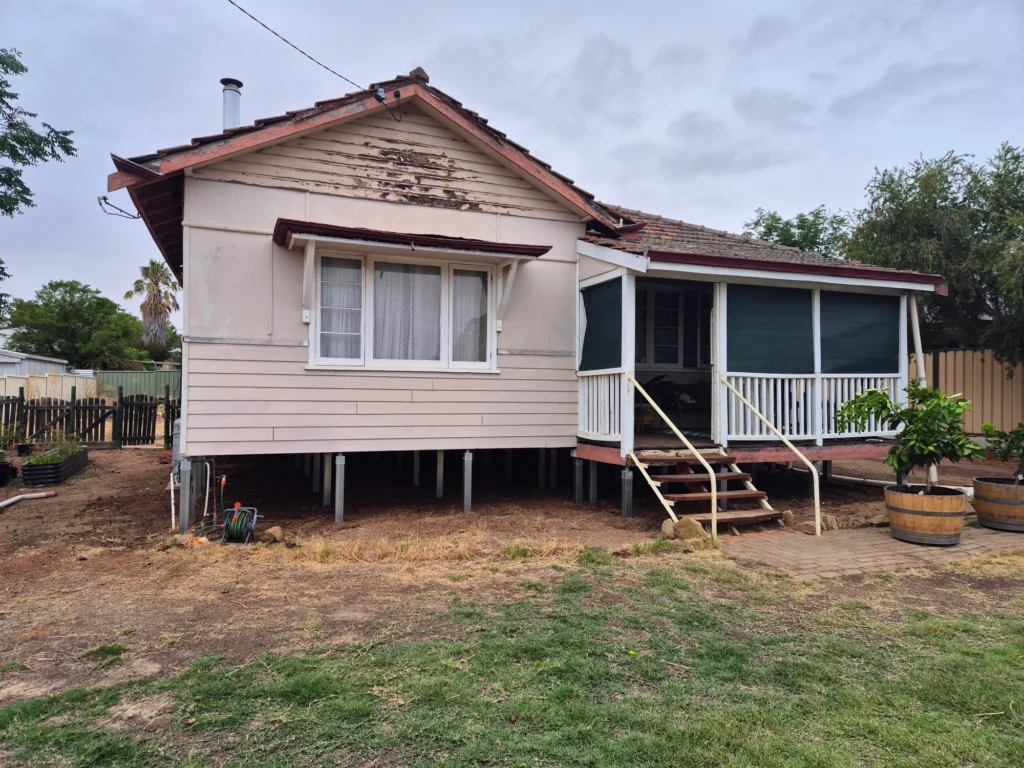
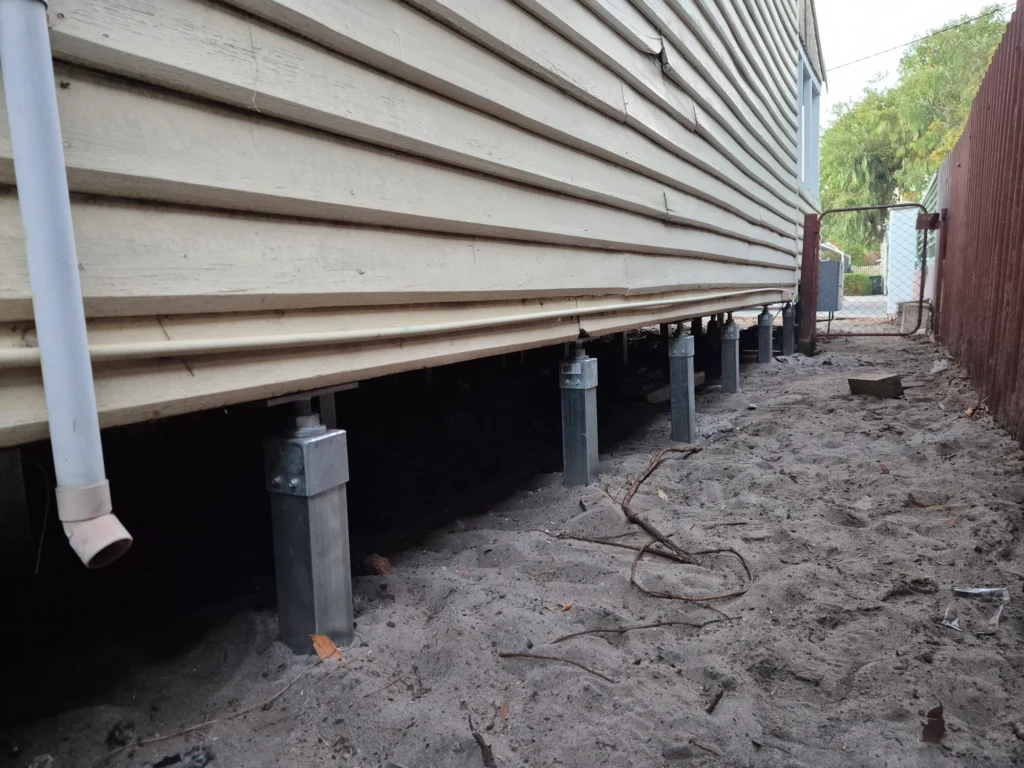
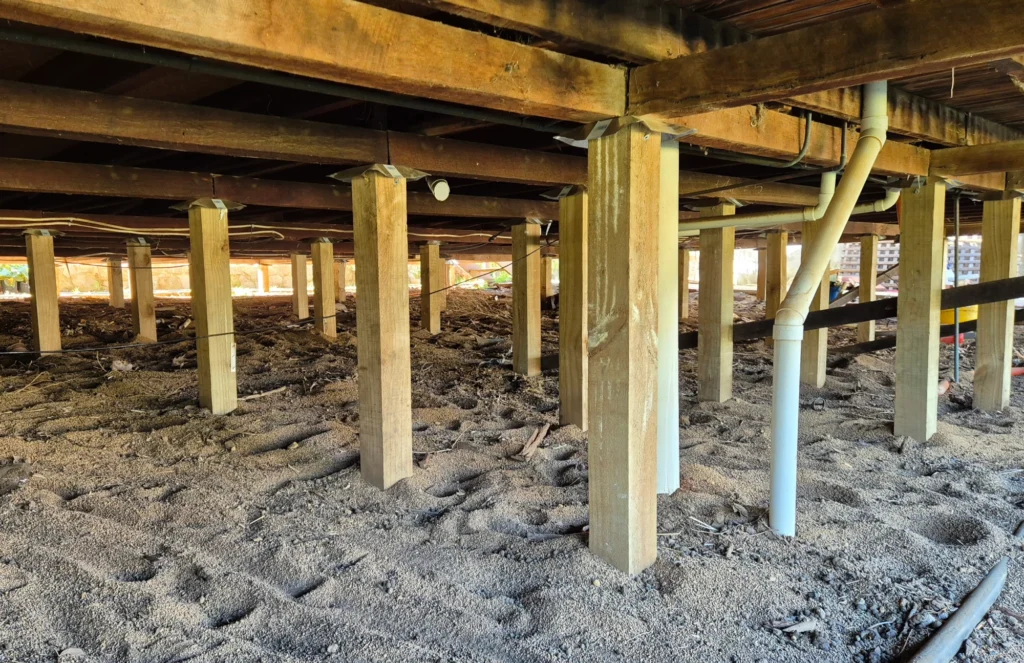
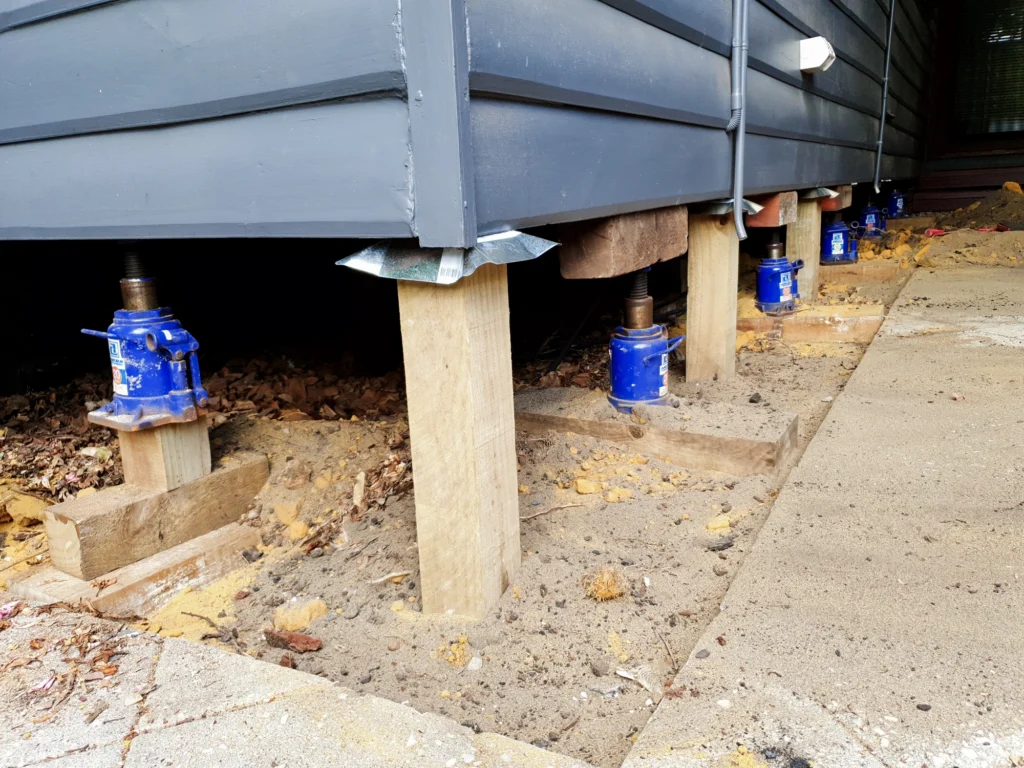
Jarrah is no longer available for house stumps because the WA Government banned native forest logging. H5 treated pine is now used as a replacement. Steel adjustable stumps are another durable option.
Timber rots when exposed to moisture, poor drainage, or low ventilation. The buried section stays damp the longest and breaks down first. Fungi and termites usually speed up the damage.
Look for uneven or sinking floors, cracks in walls, or doors that stick. Soft, crumbly timber at the base is a clear sign. Fungal growth or dark discolouration can also indicate rot.
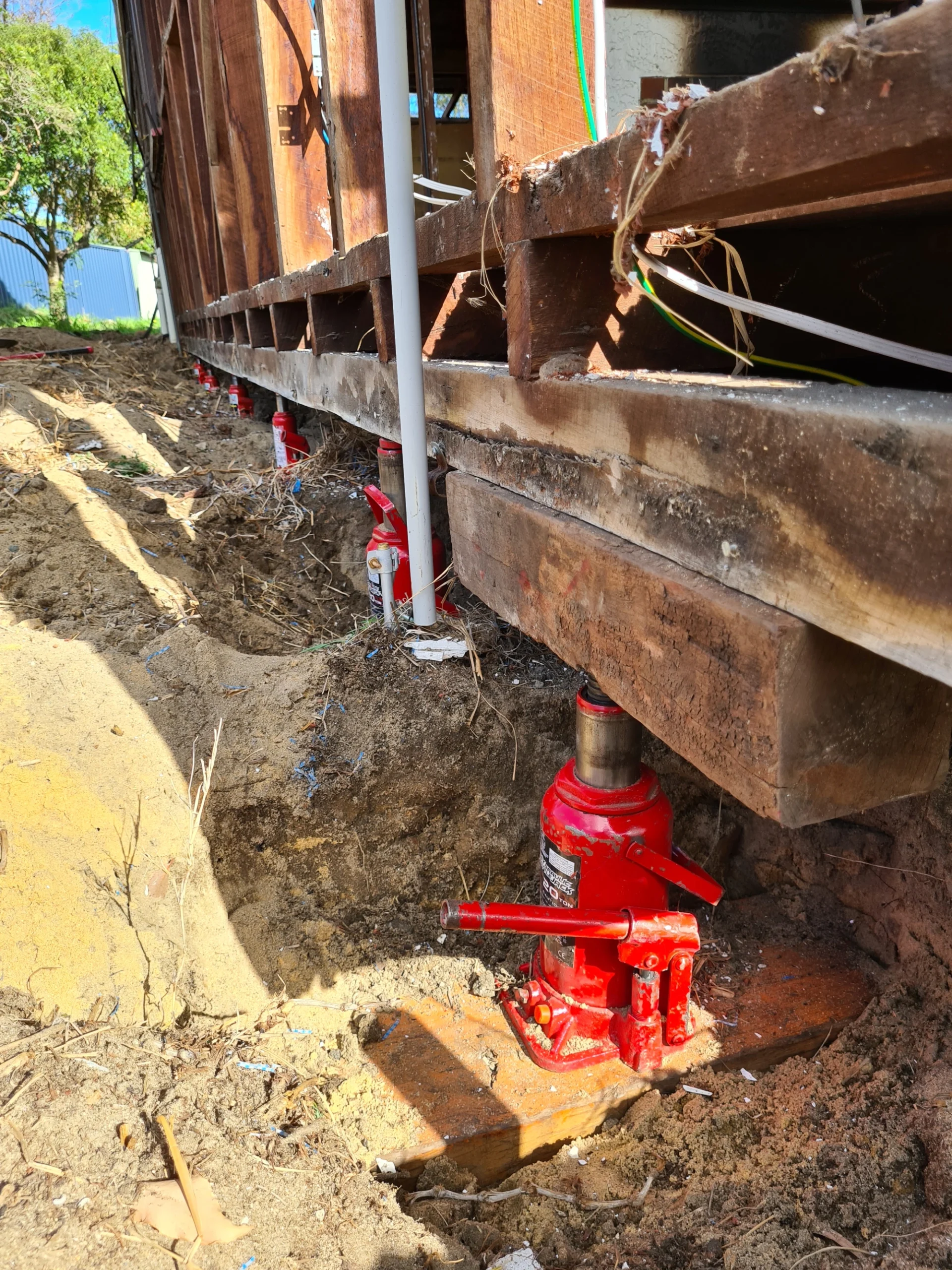
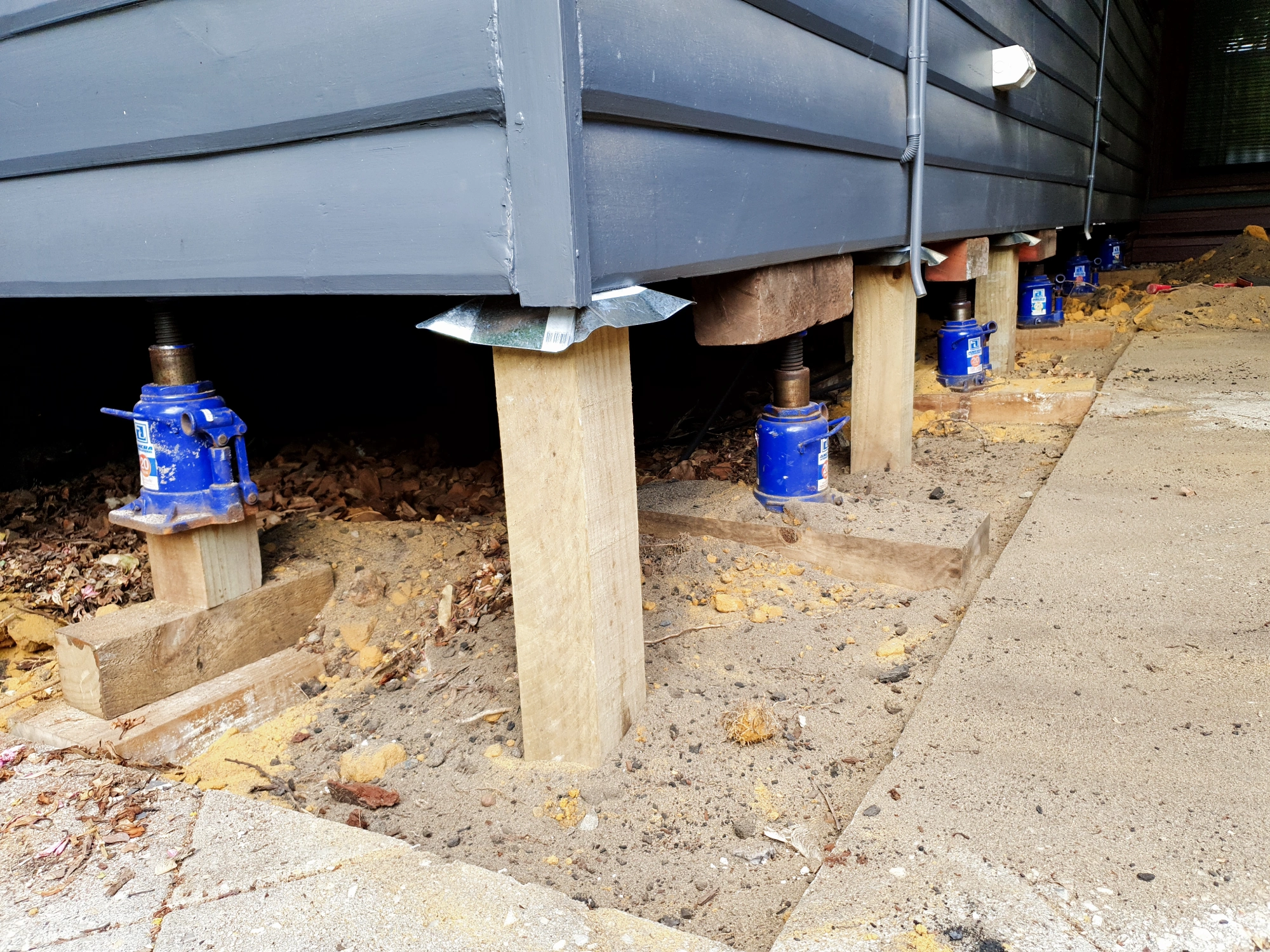
Relevelling raises the house back to a level height using jacks. Restumping replaces old or failing stumps with new ones. Many projects involve both together for long-term stability.
If there is at least 400mm clearance under the house, boards usually stay in place. Tighter access requires lifting sections of flooring. This is confirmed during inspection.
Restumping should always come before renovations. Lifting or re levelling afterwards risks damaging new finishes like tiles, plaster, or cabinetry. A stable foundation avoids costly rework.
If there is at least 400mm clearance under the house, boards usually stay in place. Tighter access requires lifting sections of flooring. This is confirmed during inspection.
Restumping should always come before renovations. Lifting or re levelling afterwards risks damaging new finishes like tiles, plaster, or cabinetry. A stable foundation avoids costly rework.
Older WA homes often sit on timber stumps or brick piers. These subfloor spaces can hide termite damage, water issues, or rotted joists and bearers. Inspections uncover problems before they worsen.
H5 treated softwood, usually pine, is pressure-treated to resist termites, borers, and decay. It is suitable for in-ground use with a lifespan of around 30 years. It replaced jarrah after the logging ban.
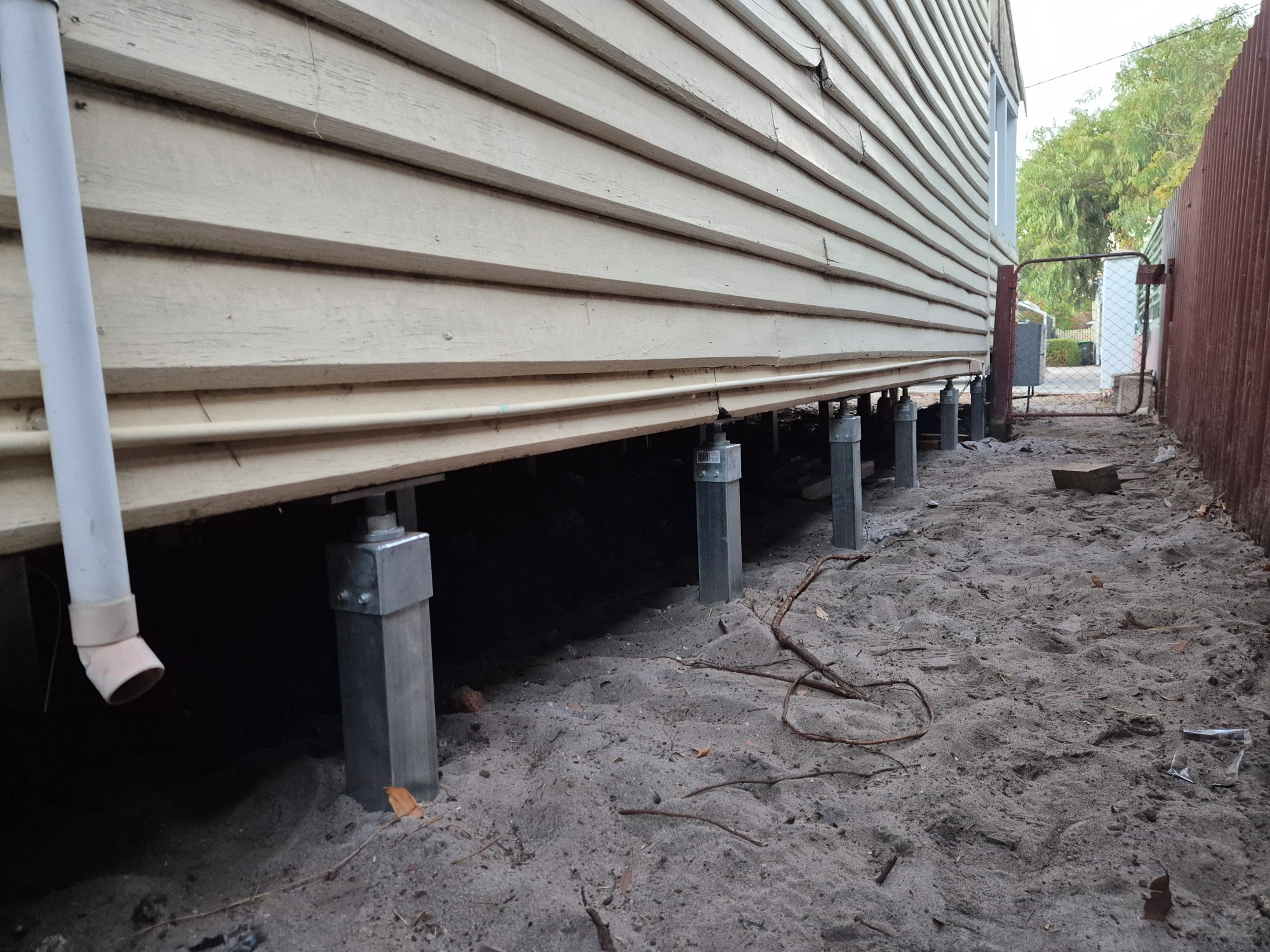
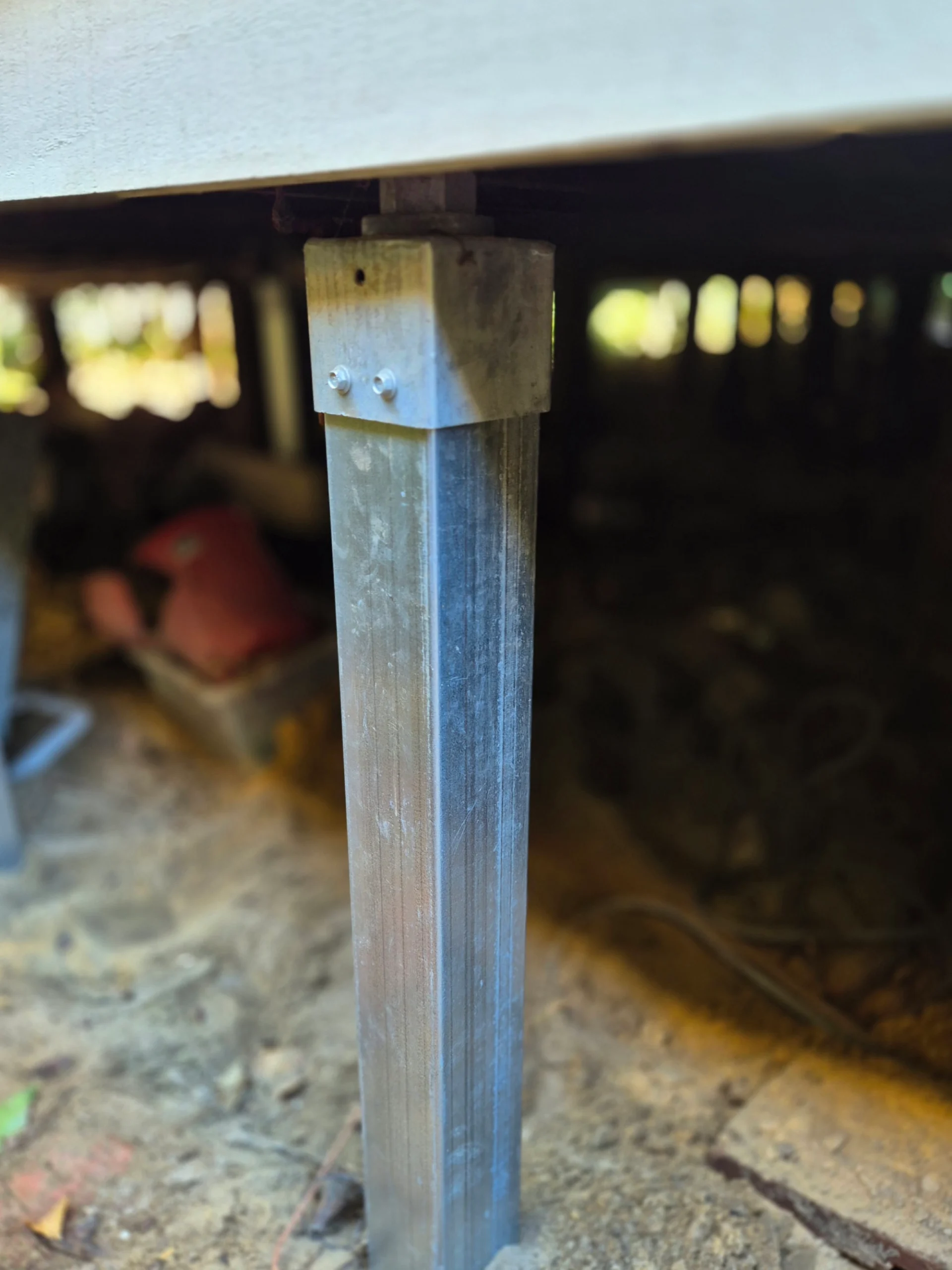
Steel adjustable stumps are galvanised posts with a threaded mechanism for height adjustment. They resist termites, rot, and moisture in WA conditions. Future adjustments are possible without major disruption.