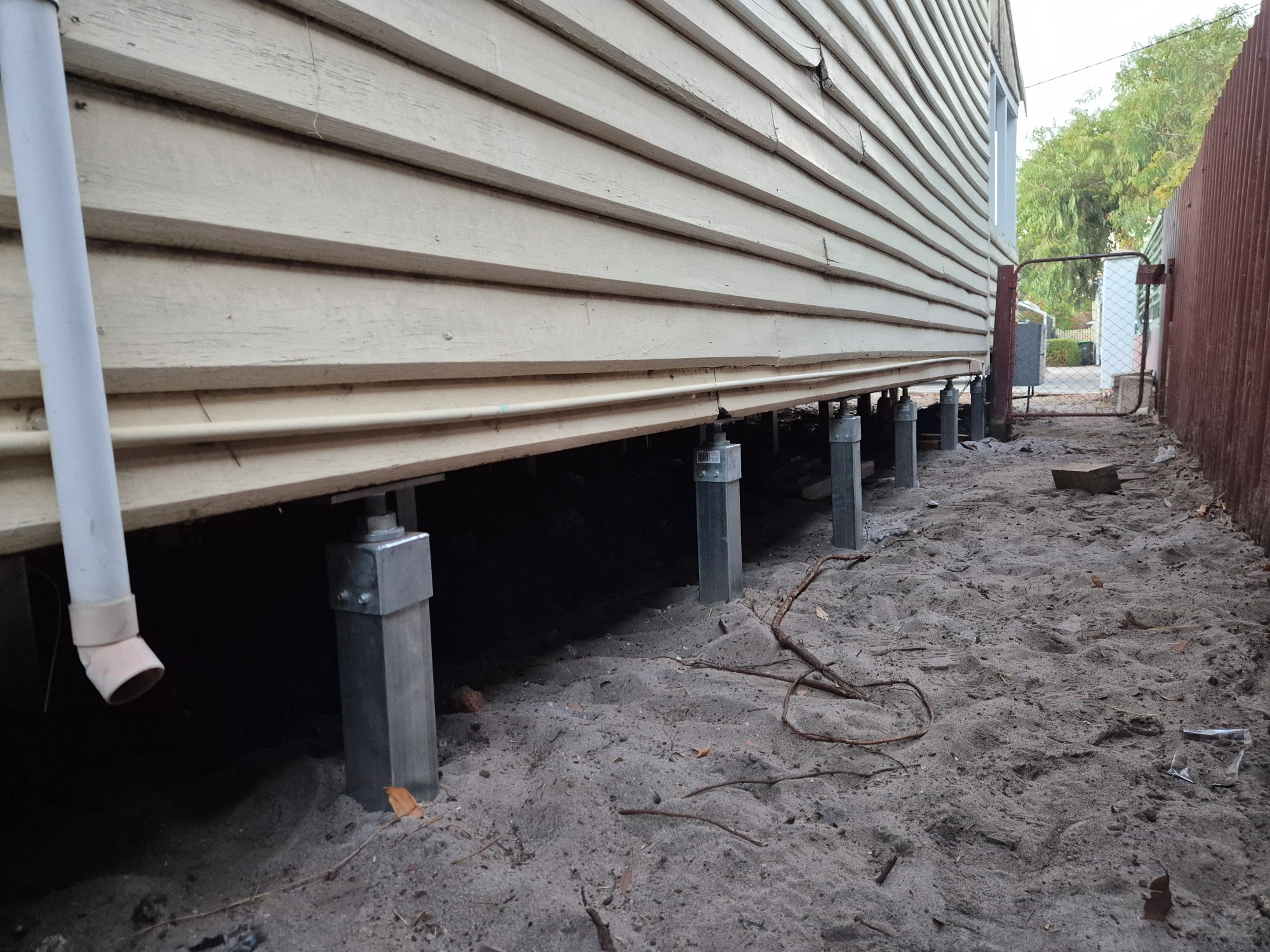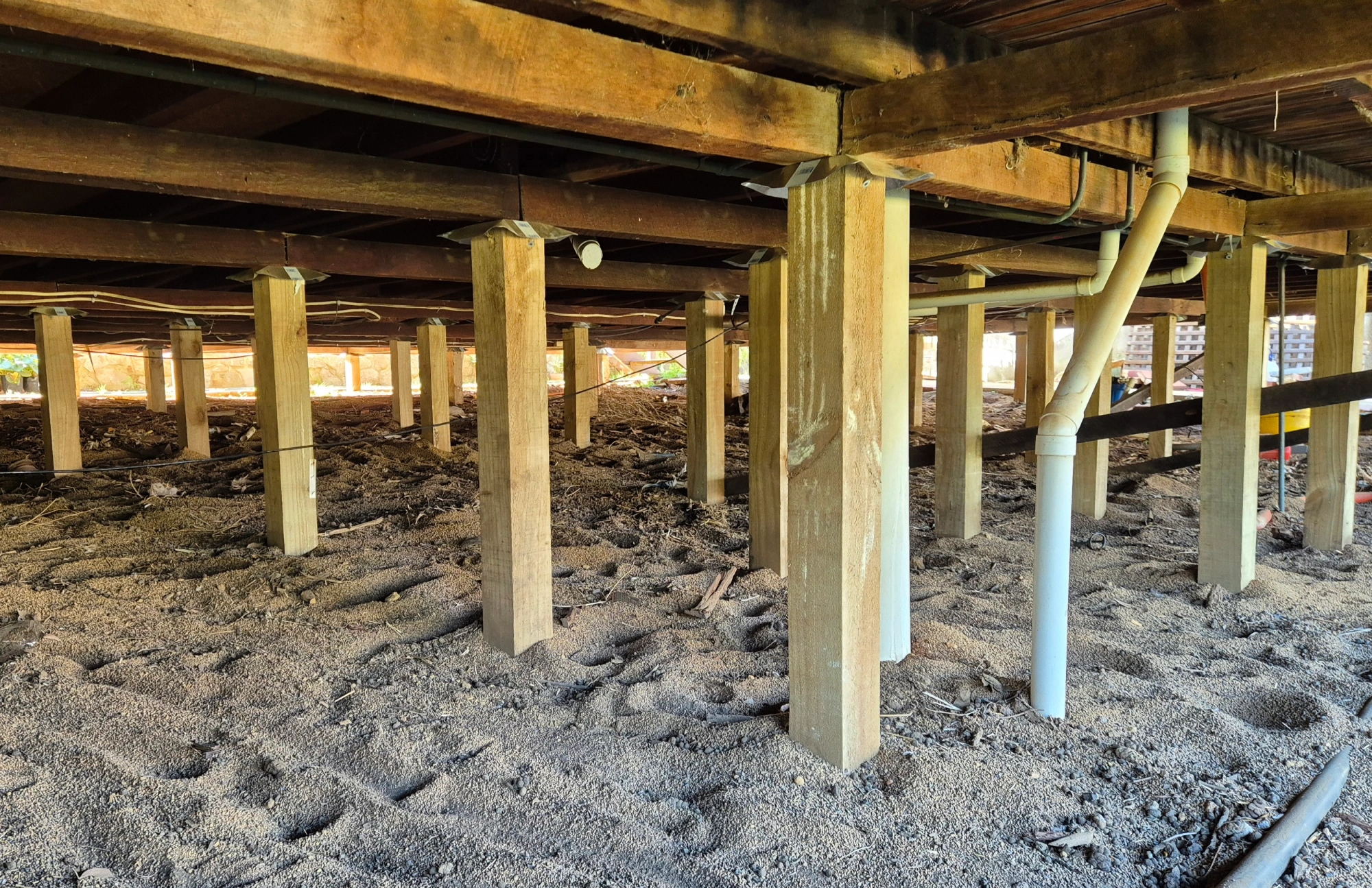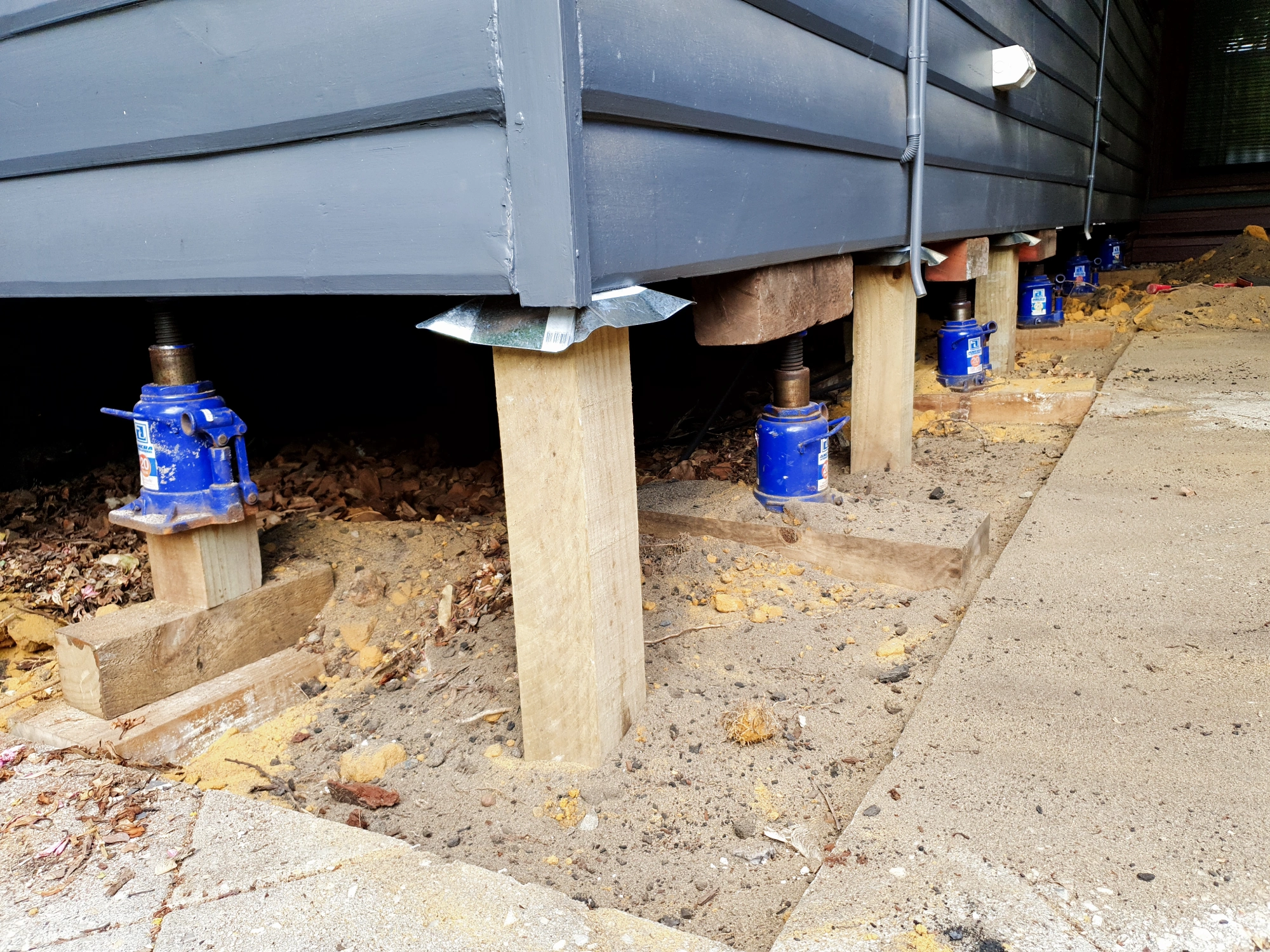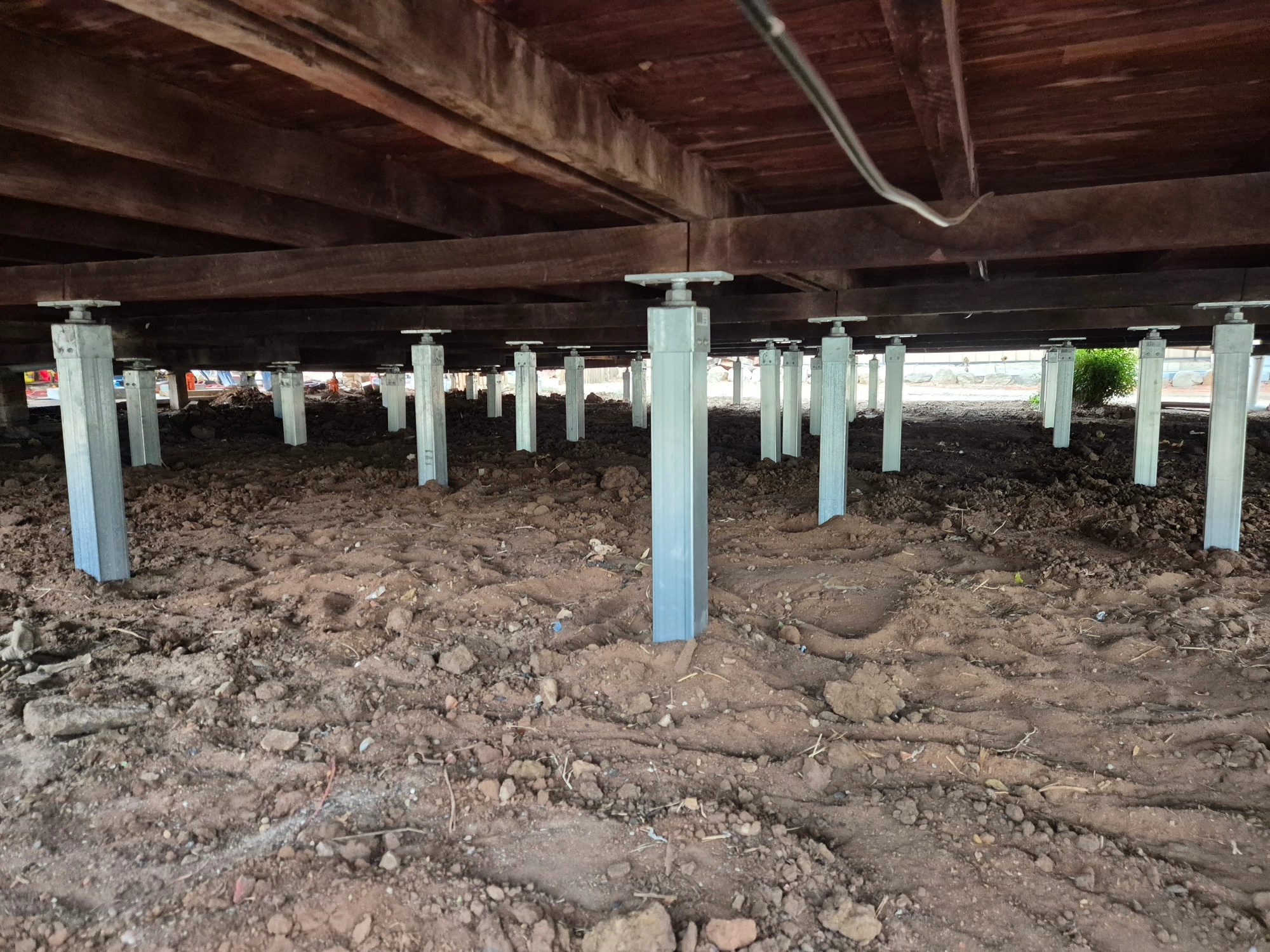
So, you’re planning a big home renovation. Maybe it’s the kitchen of your dreams, an open-plan living area, or that long-awaited bathroom upgrade. But before you get too excited about paint colours and tile patterns, there’s one less glamorous question to answer: when to restump a house during renovation?
The truth is, this stage isn’t about finishes; it’s about foundations. Restumping sets the tone for everything that follows, and if you get the timing wrong, even the best renovation can end up cracked, crooked, or worse.
The Golden Rule: Restump First
Ask any builder familiar with older Perth homes, and they’ll say the same thing: the house renovation restumping stage comes before anything else.
Think of your house like a table. If the legs are uneven, no matter how shiny the tabletop, things won’t sit right. Restumping before renovations ensures your home’s “legs” are stable, level, and ready to support whatever you build on top.
Why Restumping Before Renovations Matters
When restumping is done, the house is gently lifted, adjusted, and settled back onto new stumps. This process is essential, but it also creates natural movement. Floors may shift, walls may realign, and frames may flex.
Now, imagine if you’d already installed a brand-new kitchen or tiled bathroom. That movement could crack grout, pull cabinets off level, or even damage plumbing. By tackling house stump replacement before renovation, you avoid watching your fresh upgrades warp or break.
Risks of Restumping During Renovations
Some renovators ask about restumping during house renovations—as in, doing both at the same time. While it sounds efficient, the risk of damage to newly finished surfaces makes it a false economy.
Here’s what can happen if you renovate first and restump later:
- Tiles crack as floors shift back to level.
- Cabinetry pulls away from walls.
- Plaster splits along joints.
- Doors and windows fall out of alignment.
Signs You Need Restumping Before Extensions
If you’re planning to extend your home, knowing if you need restumping before extensions is crucial. Signs include:
- Sloping or uneven floors.
- Doors that stick or swing open on their own.
- Visible cracking in walls.
- Timber stumps showing rot or termite damage.
Timing for House Restumping and Relevelling
The best timing for house restumping is right at the start of the project, before any demolition or new construction begins. Pairing restumping with house releveling before renovation gives you a level platform to design from.
That means your builders, tilers, and carpenters are working on a solid, accurate base—no second-guessing or retrofitting required.
House Stump Repair and Renovations in Perth
Should I Restump Before Renovations?
Yes. Always. The answer to “should I restump before renovations?” is a clear yes. It saves money, prevents avoidable damage, and ensures the longevity of your new work. Once restumping is complete, you can move confidently into framing, flooring, and finishes, knowing your home won’t shift beneath them.
If you’re asking yourself when to restump a house during renovation, the answer is before anything else begins. From full house stump replacement before renovation to house releveling before renovation; the right timing saves you thousands and protects your investment. Don’t risk cracked tiles, warped floors, or crooked cabinets. Premier House Restumping can guide you through the right house renovation restumping stage, ensuring your home’s foundations are solid before the fun part of renovations begins.