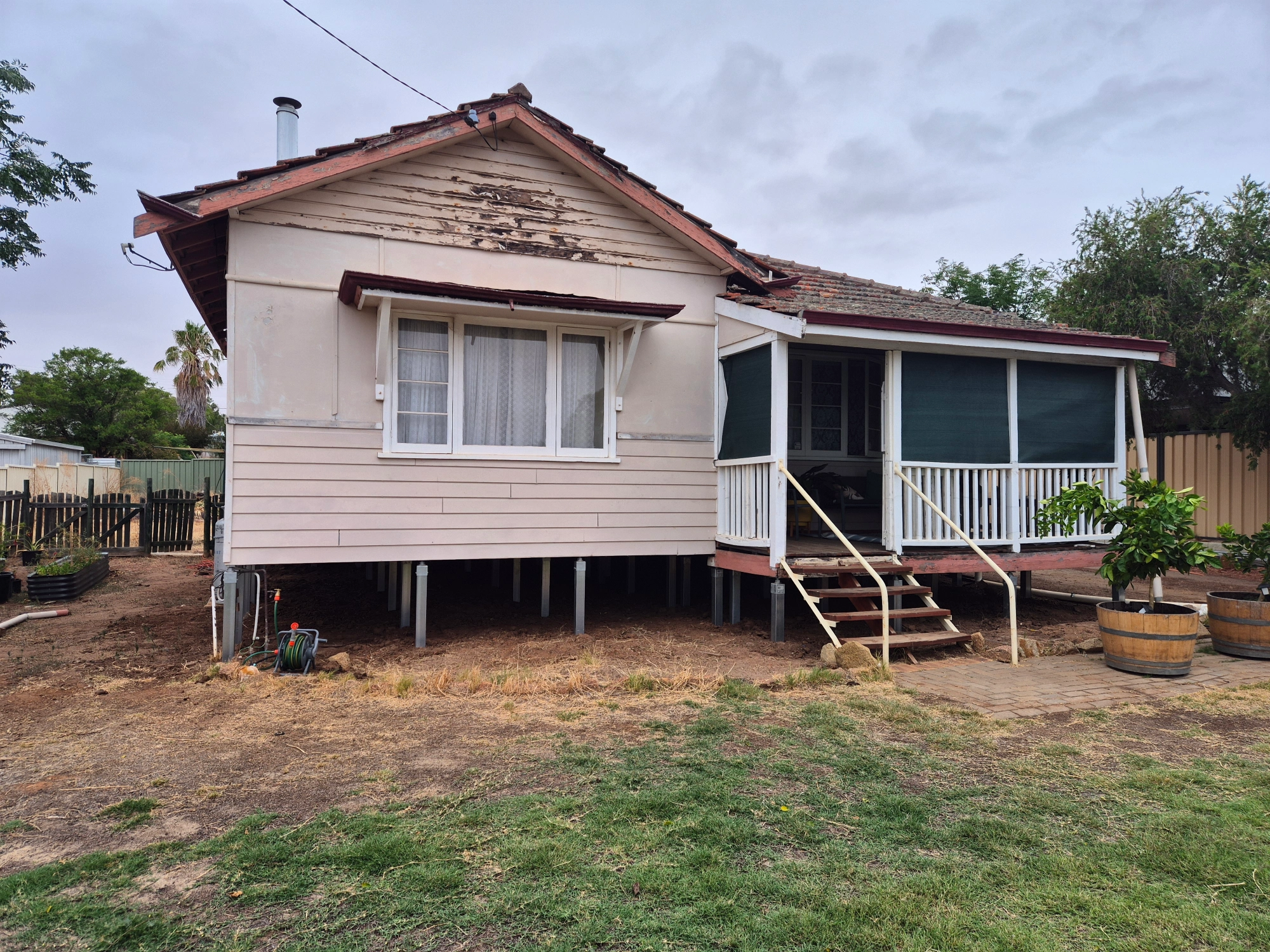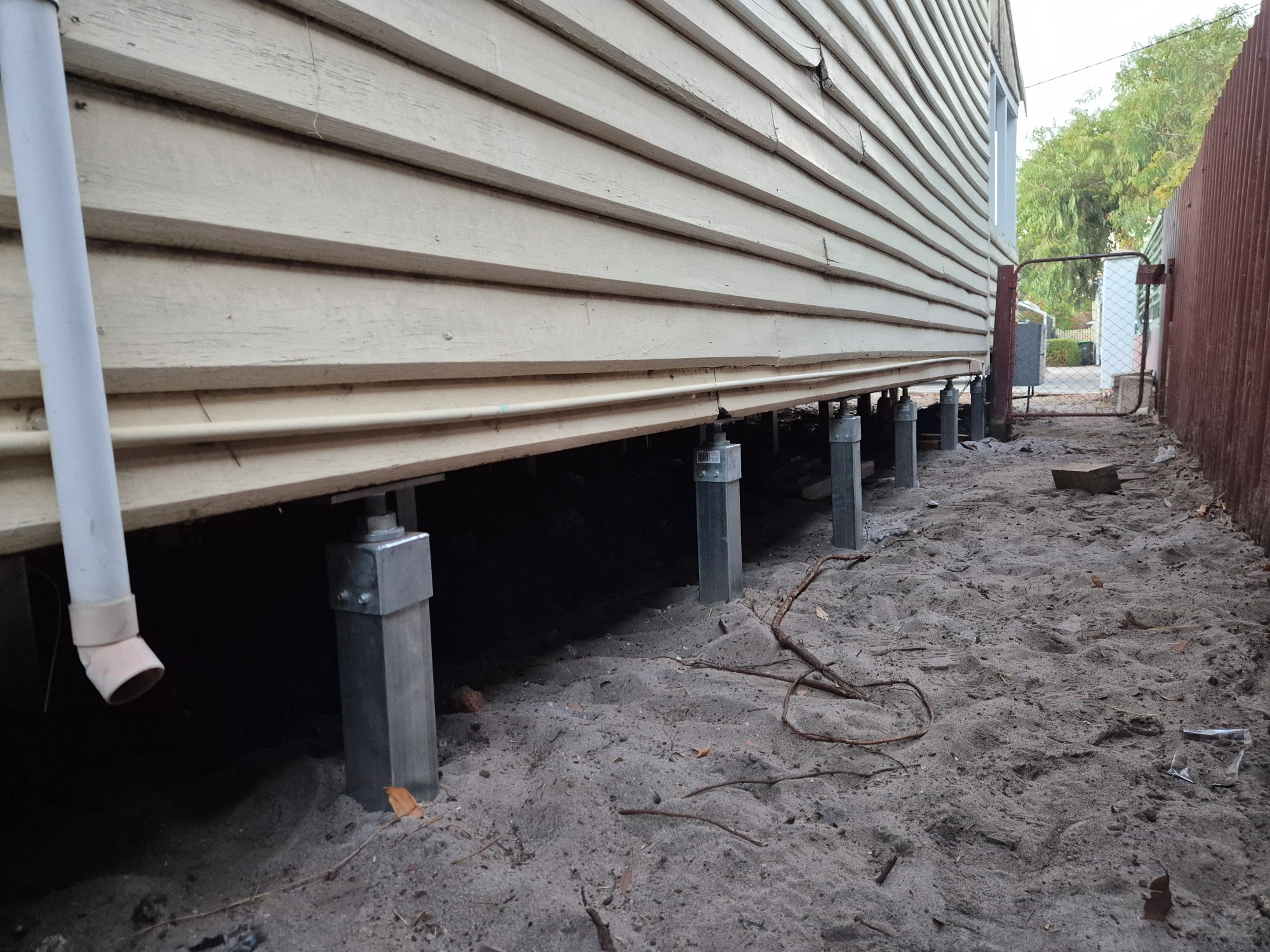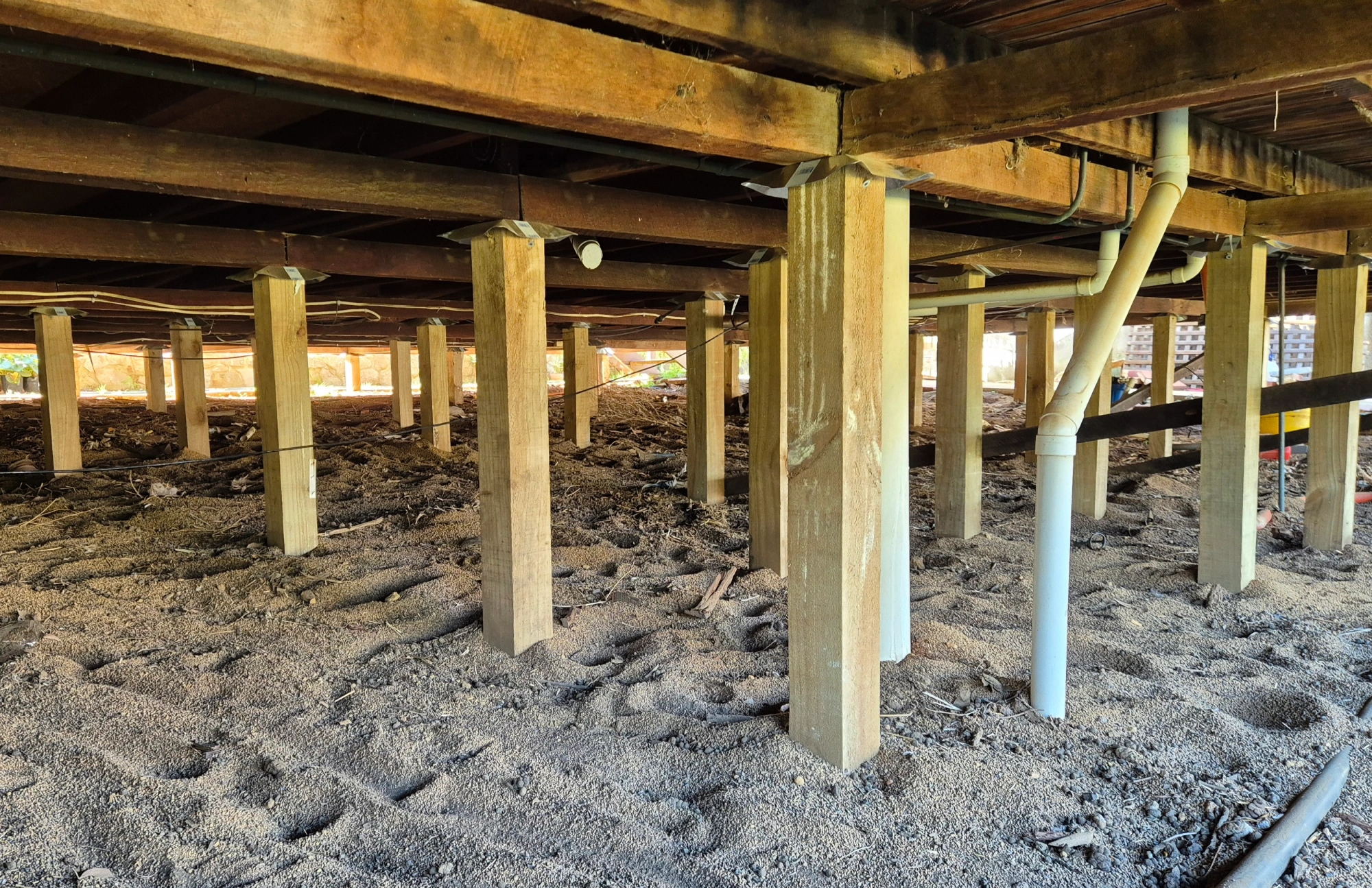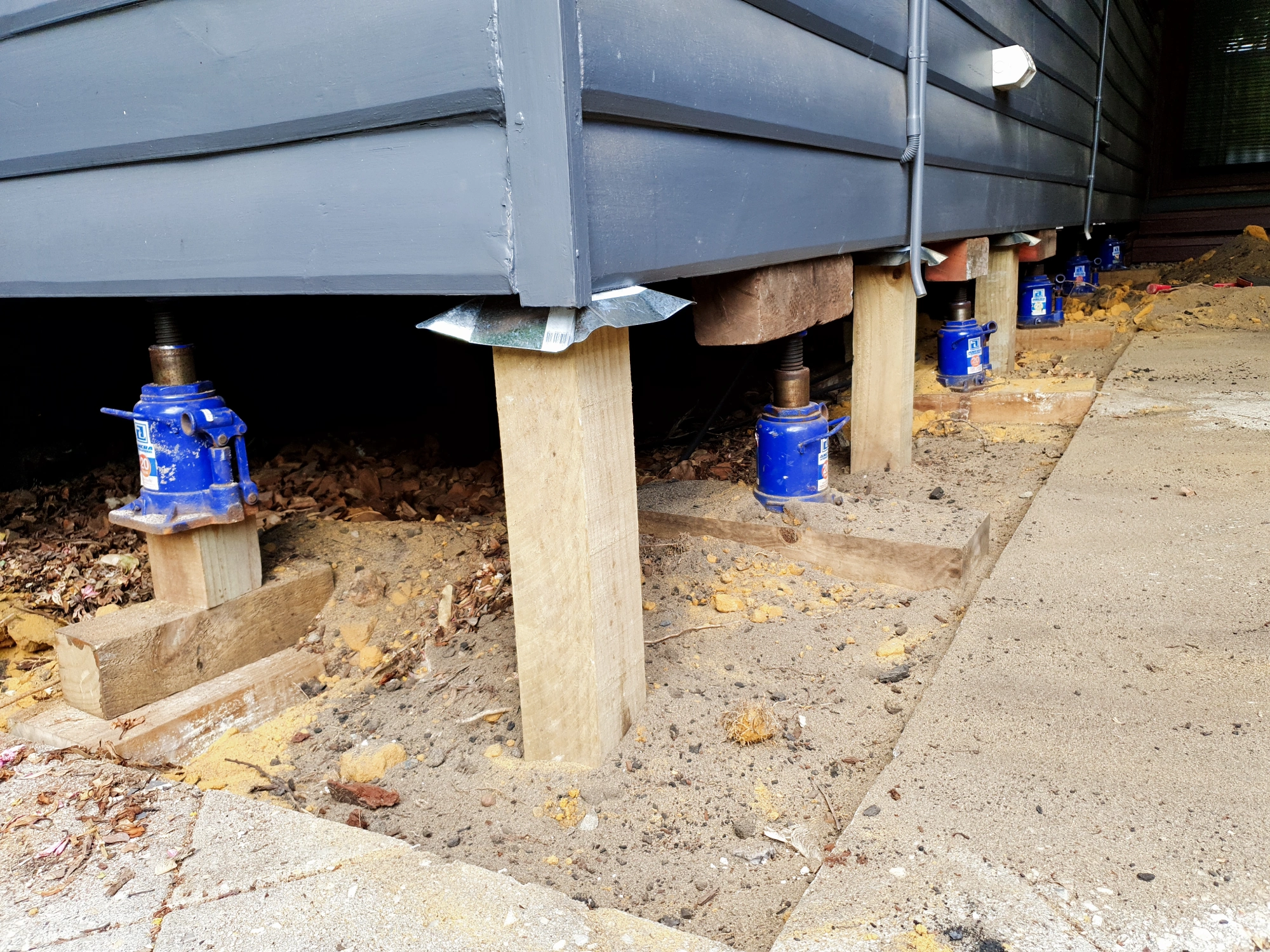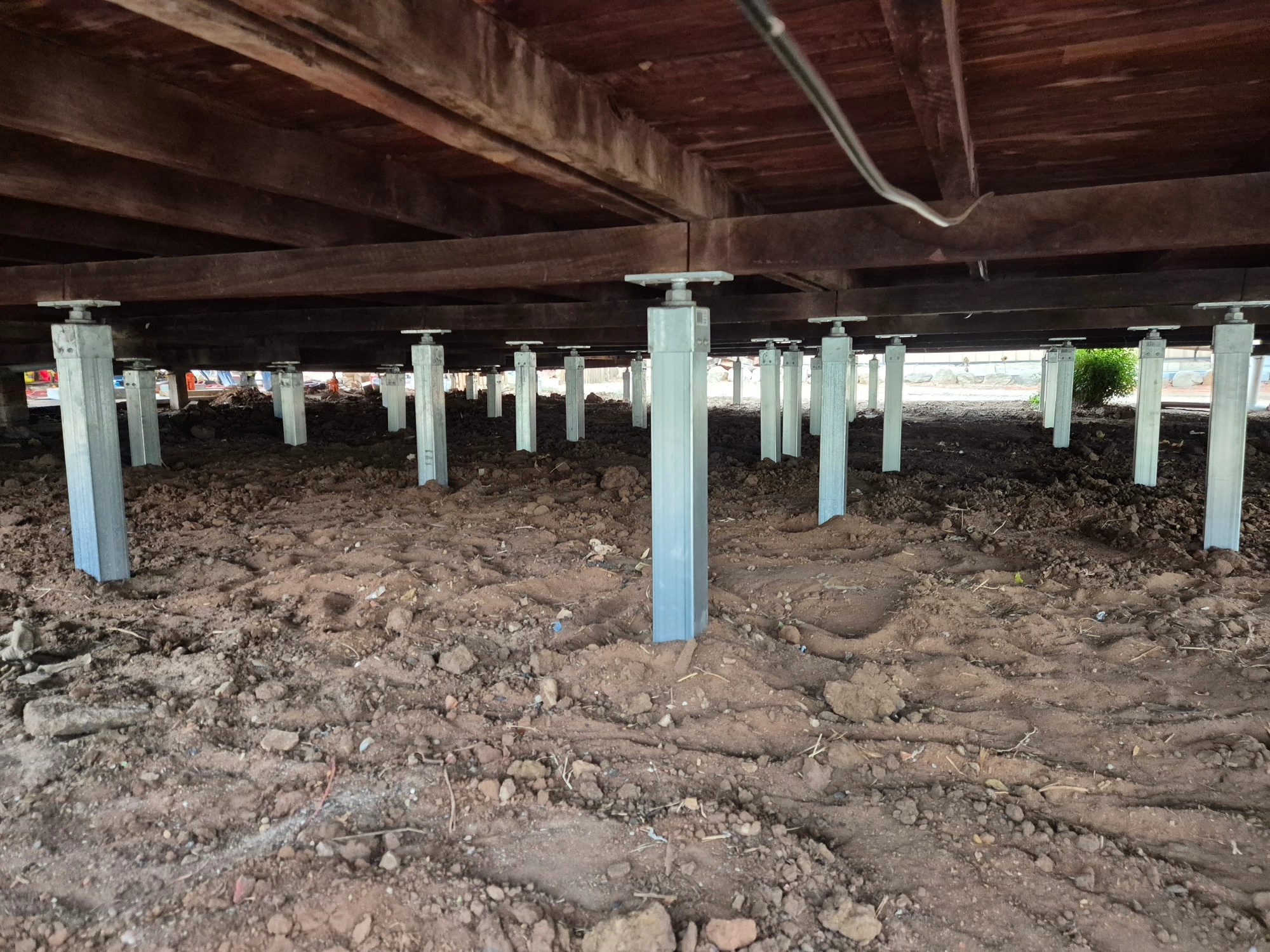
It usually starts small. Maybe your floor feels a little springy in the hallway, or a door suddenly jams when it used to glide shut. To the untrained eye, these quirks look harmless. But beneath the surface, they could point to timber house stumps quietly giving way to rot.
For WA homeowners, especially those living in pre-1960s homes or buying fixer-uppers, the condition of your stumps matters more than you think. Spotting rotted timber house stumps early can save you from major repairs later.
So how do you tell the difference between a home with character and a home with a crumbling foundation? Let’s break it down.
Why Early Detection Matters
Timber house stumps are the backbone of a raised home. Once they weaken, the entire structure above them begins to shift. Ignoring the first signs of trouble risks uneven floors, cracked plaster, and compromised safety.
The earlier you spot house stump rot signs, the more options you have for repair or replacement. Delayed action often means higher costs and sometimes even structural risks that make parts of the home unsafe.
Visual Checks Outside the Home
When carrying out a timber stump inspection, start with what you can see. Rotted stumps often show:
- Discolouration: A dark, stained look compared with healthy timber.
- Fungal growth: Mould, mildew, or even mushrooms around the stump base.
- Surface changes: Cracking, splitting, or shrinking timber that no longer fits snugly under the bearers.
Internal Warning Signs in the House
Not all timber house stump problems are obvious from the outside. Your home itself may be sending signals:
- Uneven or sagging floors: If walking feels like a downhill slope, or the “marble test” rolls one way, it’s usually stump failure.
- Cracks in walls or ceilings: Particularly near windows, doors, or archways. These appear as the house settles unevenly.
- Sticking doors and windows: Movement in the foundations often warps frames, making them jam.
Common Causes of Stump Rot
Western Australia’s unique climate accelerates stump decay. Rainfall leaves soil damp long after a storm, while poor subfloor ventilation traps humidity. Over time, these conditions encourage fungi that eat away at timber fibres.
Termites are another partner in crime. They don’t cause rot, but once rotted timber house stumps are softened, termites move in quickly, hollowing them from the inside.
How Do I Know If My Timber Stumps Are Rotting?
Finding rotted timber house stumps doesn’t always mean panic. But it does mean action. A professional can confirm the extent of the damage and recommend solutions. Sometimes partial replacement is possible, though in most cases, multiple stumps will need renewal to keep the home stable.
It’s also a good time to ask about the timber house stump replacement cost. Factors such as soil condition, access under the house, and whether concrete or steel alternatives are chosen all affect pricing.
Do I Need to Replace Rotted Timber Stumps?
Homeowners often hesitate, wondering, “Do I need to replace rotted timber stumps right now?” The answer depends on the extent of the decay. Minor issues can sometimes be monitored, but once stumps start compromising the structure, replacement is unavoidable.
Think of it this way: ignoring timber house stump problems won’t make them go away. It only shifts the cost further down the track.
If you’ve noticed uneven floors, cracks, or soft timber under your home, don’t wait until the damage gets worse. Identifying rotted timber house stumps early gives you the chance to repair foundations before they affect the entire structure.
Whether you’re arranging a timber stump inspection or calculating the timber house stump replacement cost, Premier House Restumping can guide you through the process.
Protect your Perth home now with expert advice and safe, compliant replacements.